Tantangan Unik Startup Dalam Mendesain Kantor
Startup menghadapi paradoks unik dalam office design: perlu workspace yang menarik top talent dan mencerminkan vision ambisius mereka, namun beroperasi dengan budget terbatas dan masa depan uncertain. Desain kantor yang terlalu mahal menguras runway; terlalu murah gagal attract talent dan project credibility yang needed untuk growth.
Setelah mendesain puluhan kantor startup di Jakarta, Bandung, dan Surabaya—dari pre-seed founders working dari garage hingga Series B companies dengan 100+ employees—kami telah learned apa yang works untuk startup pada berbagai stages dan bagaimana maximize impact sambil minimize cost.
Panduan komprehensif ini memberikan framework untuk startup menciptakan inspiring, functional, flexible workspace yang supports growth trajectory sambil respect budget realities.
Understanding Startup Office Requirements
Startup offices differ dari corporate offices dalam beberapa cara fundamental:
Extreme Budget Consciousness: Setiap rupiah yang di-spend untuk office adalah rupiah tidak di-spend untuk product development, marketing, atau hiring. ROI harus clear dan immediate.
Rapid Growth (or Pivot): Startup can grow from 10 to 50 people dalam 12 bulan—atau pivot completely changing space needs. Flexibility adalah paramount.
Talent Attraction Critical: Di war for tech talent, office quality adalah significant competitive factor. Great developers dan designers have choices.
Culture Building Focus: Early-stage culture sets tone for years. Physical workspace plays major role dalam establishing values dan work style.
Scrappiness as Badge of Honor: Too polished dapat alienate engineers yang value substance over style. Sweet spot adalah professional without corporate.
Founder Visibility: Startup founders perlu accessible dan visible, bukan hidden di corner offices.
Budget Guidelines Untuk Startup
Pre-Seed/Seed Stage (5-15 orang): Budget total: Rp 50-150 juta untuk 150-300 m² Per meter: Rp 1,5-3 juta per m² Focus: Function over form, maximum flexibility, DIY elements acceptable
Series A (15-40 orang): Budget total: Rp 200-600 juta untuk 400-800 m² Per meter: Rp 2,5-4,5 juta per m² Focus: Professional appearance, better quality, attract talent
Series B+ (40-100+ orang): Budget total: Rp 800 juta-3 miliar untuk 1.000-2.000 m² Per meter: Rp 4-7 juta per m² Focus: Scale, systems, professional operations
Strategy #1: Prioritize Investment Wisely
High-Impact, Low-Cost Wins:
Paint & Graphics: Fresh paint dan simple wall graphics dramatically transform space untuk Rp 50.000-100.000 per m². Pilih brand colors, add inspirational quotes, create Instagram-worthy moments.
Lighting Upgrade: Better lighting improves mood dan productivity dramatically. LED panels cost-effective dan energy-efficient. Budget Rp 100.000-200.000 per m².
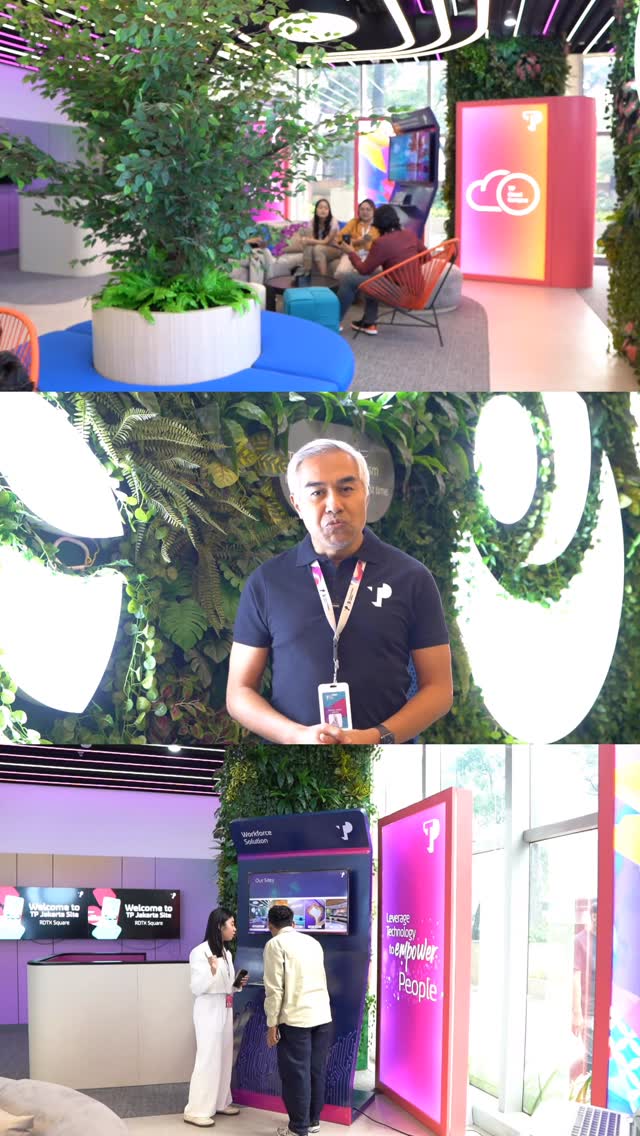
Plants Everywhere: Greenery adds life, improves air quality, dan creates warm atmosphere. Budget Rp 5-15 juta for variety of plants throughout space.
Open Shelving: Instead of expensive built-in storage, use industrial shelving (IKEA, Krisbow, etc.). Functional, flexible, dan on-brand untuk startup aesthetic. Budget Rp 10-30 juta depending on quantity.
Collaborative Spaces: Invest dalam comfortable, flexible collaboration areas over individual private offices. Bean bags, standing tables, whiteboard walls enable teamwork.
Lower-Priority (Can Economize):
Expensive reception desk (simple table works initially), individual height-adjustable desks (start with quality fixed-height), premium flooring everywhere (focus on high-visibility areas), elaborate partitions (open plan with strategic zoning), dan excessive meeting rooms (start lean, add as needed).
Strategy #2: Embrace Flexibility & Growth
Modular Everything:
Furniture: Pilih pieces yang easily reconfigured—mobile tables, stackable chairs, modular shelving. Avoid built-in custom millwork yang can’t adapt.
Partitions: Use mobile whiteboards, plants, atau low shelving untuk define zones instead of permanent walls. Reconfigure as team needs change.
Power/Data: Install floor boxes atau overhead power tracks allowing desk placement flexibility. Don’t rely solely on wall outlets limiting layouts.
Space Allocation: Designate 20-30% of space as “flex” area that can serve multiple purposes—overflow workspace, temporary project team area, event space, future expansion.
Growth Planning:
Hoteling Ratio: Start dengan desk ratio 0.7-0.8 (70-80 desks untuk 100 people) assuming some hybrid work dan travel. Expand as needed.
Meeting Room Sufficiency: Start dengan fewer, larger multi-purpose rooms over many specialized rooms. Add specific-purpose rooms as patterns emerge.
Phased Expansion: If taking larger space than current needs, fit out only what’s needed immediately. Expand into remaining space as grow.
Strategy #3: Create Inspiring, Not Expensive
The Startup Aesthetic:
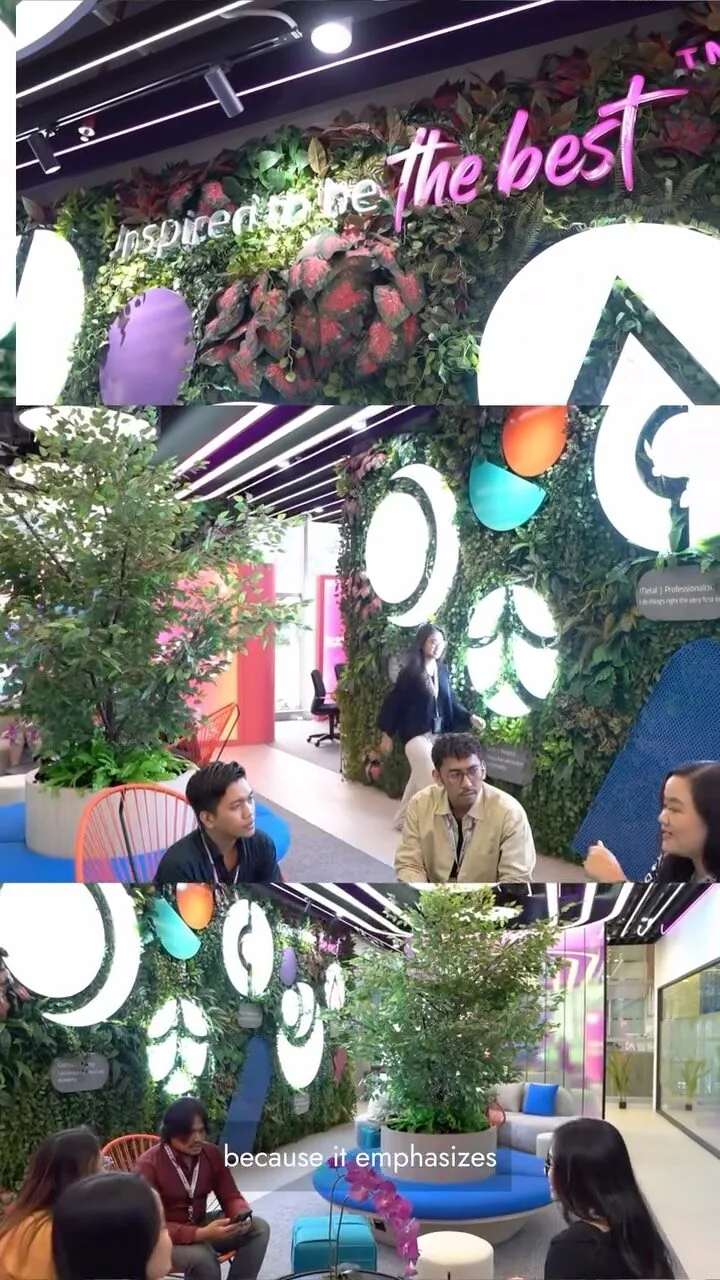
Startup offices should feel energetic, creative, collaborative—NOT corporate atau stuffy. Achieve this through exposed elements (concrete, brick, ductwork creating industrial character for free), bright colors dan graphics (paint is cheap, impact is huge), open sightlines (transparency creating energy), flexible furniture arrangements (dynamic versus static), dan residential touches (rugs, lamps, plants making it feel less office).
Instagrammable Moments:
Create beberapa spaces specifically for social media—recruitment marketing gold. Neon sign dengan company name atau tagline, branded wall graphics, cozy “phone booth” dengan interesting interior, rooftop atau balcony area if available, dan unique meeting room themes.
Investment: Rp 20-50 juta Return: Countless recruitment dan employer brand content
Cultural Expression:
Physical space should reinforce startup’s values dan personality. Tech company: whiteboards everywhere, ping pong table, maker space. Creative agency: colorful, eclectic, inspiring artwork. FinTech: professional but energetic, transparency, modern. Social impact: sustainable materials, community feel, purpose-driven design.
Strategy #4: Strategic Economizing
Where To Save Money Without Sacrificing Quality:
Flooring: Start dengan simple vinyl tile atau carpet tile di workspaces. Upgrade high-visibility areas (entry, meeting rooms) only. Savings: 30-40% versus premium flooring throughout.
Furniture Mixing: Combine new statement pieces dengan IKEA/Informa basics dan some refurbished commercial furniture. New: reception area, meeting rooms. Basic: personal desks, storage. Refurbished: lounge furniture, collaborative tables.
DIY Elements: Founders dan early employees can contribute sweat equity—painting, assembling IKEA furniture, hanging shelves, installing basic fixtures. Appropriate for very early stage only.
Simple Finishes: Painted drywall instead of feature walls everywhere, exposed ceiling instead of full suspended ceiling, polished concrete instead of installed flooring, dan off-the-shelf lighting instead of custom fixtures.
Phased Technology: Start dengan basic AV (TV + streaming device = video conferencing), simple network (good WiFi, basic access points), dan essential power/data only. Upgrade as revenue grows.
Strategy #5: Location Strategy
Space Type Options:
Co-Working Space (0-5 orang): Perfect for earliest stage. Low commitment, immediate availability, networking opportunities, dan professional address. Cost: Rp 2-4 juta per person per month di Jakarta.
Shared Office Space (5-15 orang): Private office within co-working environment. More privacy than hot desks, still flexible. Cost: Rp 40-80 juta per month for small team.
Independent Office Space (15+ orang): Traditional lease (typically 2-3 years). Full control, lower per-person cost, team building. Cost: Rp 200.000-500.000 per m² per month rent di Jakarta depending on location.
Location Trade-offs:
Premium area (SCBD, Sudirman): Expensive rent, client-impressive, attract talent, networking ecosystem. Consider if: Enterprise sales requiring client meetings, senior talent recruitment critical.
Emerging area (South Jakarta, Kemang, Cipete): More affordable, increasingly cool, good talent access. Consider if: Tech talent focus, budget-constrained, creative culture.
Non-prime area: Most cost-effective, space for money, parking available. Consider if: Operational/back-office, budget very constrained, local talent pool.
Strategy #6: Attract Talent Through Design
What Tech Talent Actually Cares About:
Quality Workspace: Good desk, comfortable chair, multiple monitors, sufficient power outlets, strong WiFi, quiet environment for coding. Don’t economize here—developer productivity directly impacts bottom line.
Collaboration Tools: Whiteboards everywhere (actual whiteboards, not apps), comfortable meeting spaces, easy screen sharing, video conference capability.
Amenities: Good coffee (invest in quality machine), healthy snacks, comfortable break area, games for stress relief (PS5, board games), flexibility to work dari home some days.
Culture Signals: Open floor plan (transparency), no walled offices for founders (egalitarian), space for hackathons/events, visible product/company metrics, dan greenery/natural light.
Budget Allocation for Talent Attraction: - Quality task chairs: 20% of furniture budget - Collaboration spaces: 25% of space allocation - Technology infrastructure: 15% of total budget - Amenities (coffee, games, break areas): 5-10% of budget
Common Startup Office Mistakes
Mistake #1: Over-Building Too Early. Series A company building Series C office. Result: burn through cash, lose flexibility. Build for current reality plus 6-12 month growth.
Mistake #2: Under-Investing in Core Workspace. Spending on fancy lounge while developers work on wobbly tables with bad chairs. Prioritize where people spend 80% of time.
Mistake #3: Too Corporate Too Soon. Lots of private offices, formal meeting rooms, traditional hierarchy signaling. Feels corporate, not startup.
Mistake #4: No Meeting Spaces. All-open plan without any enclosed spaces for focused work or confidential discussions. Team frustrated, productivity suffers.
Mistake #5: Ignoring Acoustics. Open plan dengan hard surfaces everywhere = noise hell. Some acoustic treatment essential.
Mistake #6: Long Lease With No Flexibility. 5-year lease ketika uncertain about product-market fit atau growth trajectory. Start dengan shorter terms or flexible arrangements.
Real Startup Office Examples
TechStartup A (Jakarta, Seed stage, 12 people): - Space: 200 m² in Cipete shared office building - Budget: Rp 120 juta total fit-out - Strategy: Open plan dengan mix of IKEA dan refurbished furniture, painted graphics, lots of whiteboards, small phone booth, simple pantry - Result: Professional enough to impress candidates, functional for team, modest monthly burn
TechStartup B (Jakarta, Series A, 35 people): - Space: 500 m² in South Jakarta standalone building - Budget: Rp 500 juta total fit-out - Strategy: Engineered “cool but scrappy” aesthetic—exposed ceiling, industrial shelving, quality task chairs, creative meeting rooms, branded elements - Result: Strong employer brand, successful recruitment, flexibility for growth
Conclusion: Smart Startup Design Principles
Successful startup office design requires balancing multiple objectives: attract talent tanpa burning cash, create flexibility tanpa feeling temporary, express culture tanpa overindulging, dan build for growth tanpa overbuilding.
Key principles: prioritize where it matters (workspace quality, collaboration, amenities), economize where it doesn’t (finishes, private offices, fancy reception), embrace flexibility (modular furniture, minimal permanent elements), dan express authentic culture (not trying to look like Google atau corporate office).
Dengan strategic approach, startup can create inspiring workspace dengan budget Rp 2-5 juta per m² that rivals companies spending 2-3x more.
Di AI Associates, kami specialize dalam smart startup office design helping founders maximize impact while minimizing burn. Kami understand unique challenges dan opportunities of different startup stages.
Contact kami untuk startup office consultation ensuring workspace supports growth trajectory sambil respect budget realities.