Quick answer
Does minimalist office design improve productivity?
Yes. Minimalist design reduces cognitive load by eliminating visual noise, freeing mental resources for deep work. One tech startup redesign raised reported focus 42%, increased creative output 35%, and lowered employee stress 31% within six months of adopting minimalist principles.
Key Takeaways
- 01The brain processes 11 million bits per second but conscious awareness handles only 40-50 bits, so clutter drains focus.
- 02Minimalist offices typically use 2-4 core colors, mostly neutrals with one or two sparing accent colors.
- 03One Singapore fintech minimalist redesign reduced reported stress levels by 28% versus the previous cluttered space.
The Paradox of Less
In an age of information overload, sensory bombardment, and constant distraction, minimalist office design isn't aesthetic preference—it's cognitive necessity. The stripped-down, clutter-free aesthetic that defines minimalism does something profound for human cognition: it creates space for thinking by removing everything that interferes with thought.
But here's what most people misunderstand about minimalist design: it's not about deprivation or austerity. It's about intentional focus, strategic reduction, and designing environments where what remains carries maximum impact.
After designing minimalist offices for tech companies, creative agencies, and financial services firms across Singapore, Malaysia, and Indonesia, we've seen firsthand how less becomes more when executed with precision and purpose.
Why Your Brain Craves Minimalism
Neuroscience explains minimalist design's power. The human brain processes approximately 11 million bits of information per second—but conscious awareness handles only 40-50 bits. Every visual element in your environment competes for those limited conscious resources.
In cluttered, visually complex environments, your brain expends energy processing irrelevant stimuli—colors, patterns, objects, visual relationships—leaving less cognitive capacity for the work that matters. This creates measurable effects including reduced focus and concentration, slower decision-making, increased mental fatigue, higher stress hormones, and diminished creative thinking.
Minimalist environments reduce this cognitive load dramatically. By eliminating visual noise and unnecessary elements, minimalist design frees mental resources for deep work, creative problem-solving, and strategic thinking.
The Elements of Minimalist Office Design
True minimalist design isn't about removing things randomly—it's strategic curation where every remaining element serves clear purpose.
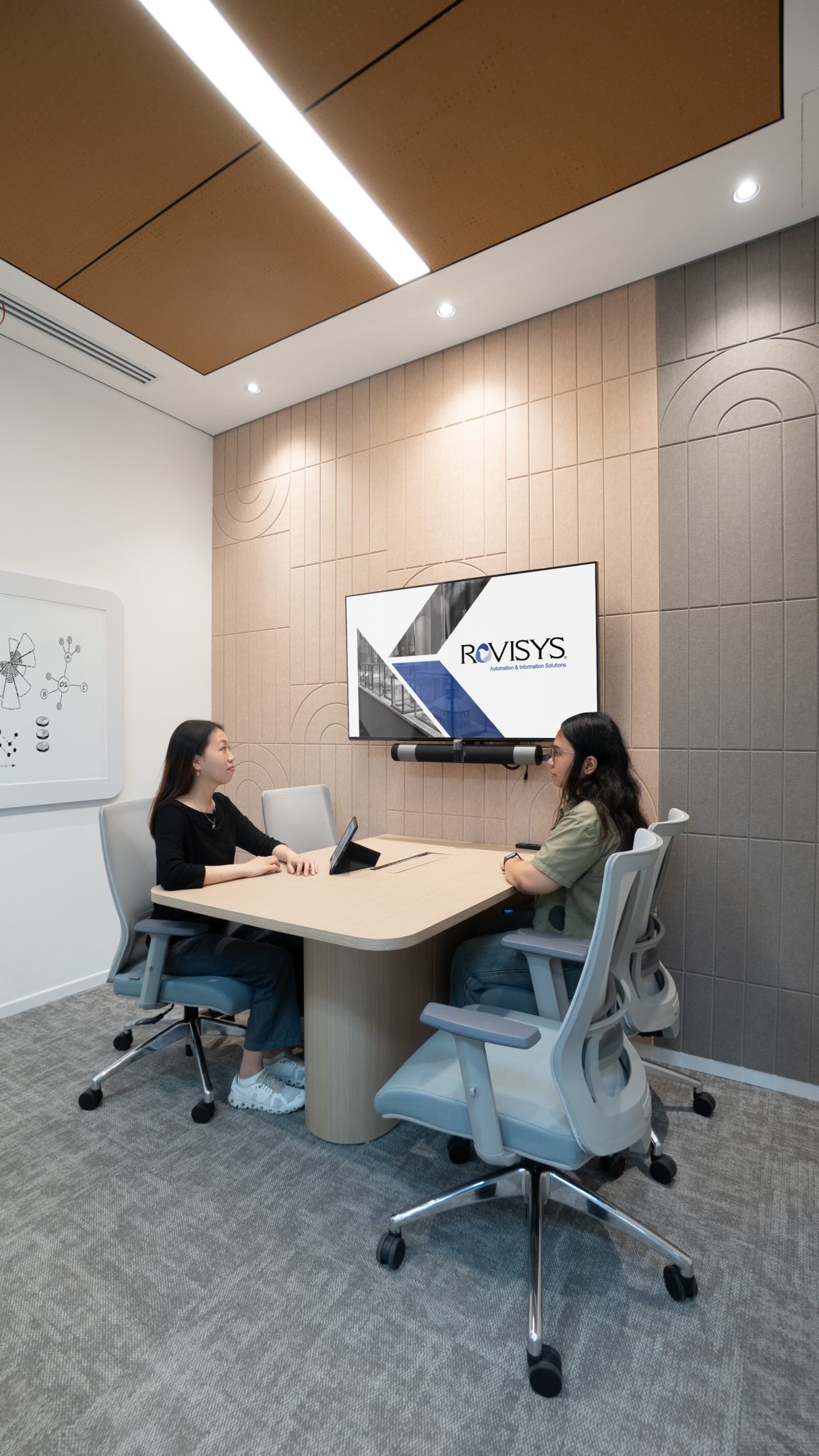
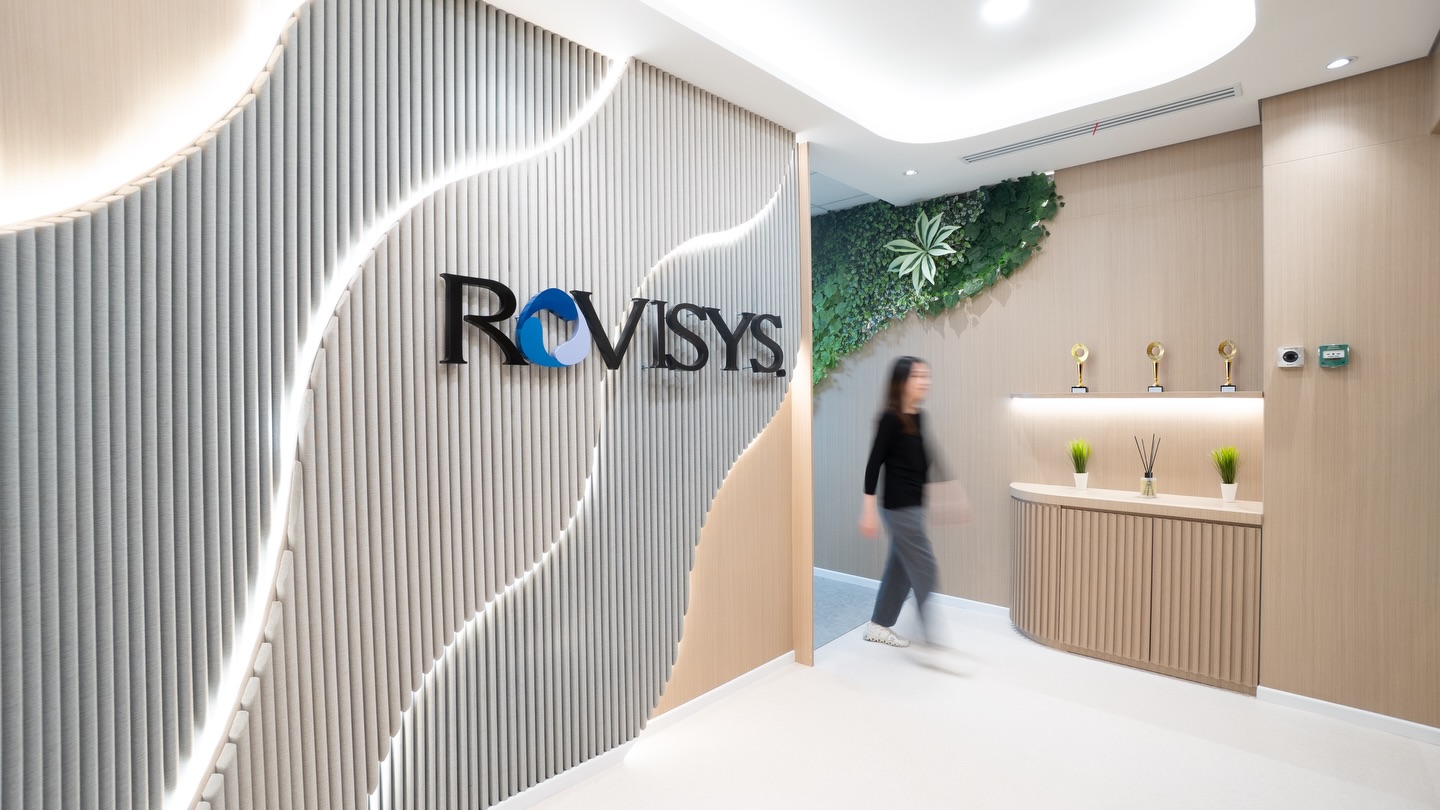
Minimalist offices typically employ 2-4 core colors—usually neutrals (white, gray, beige, black) with one or two accent colors used sparingly. This restraint creates visual calm that allows focus on content rather than decoration.
But minimalist doesn't mean boring. Subtle variations in tone, texture, and material create visual interest within limited palette.
Geometric simplicity defines minimalist furniture and architecture—straight lines, right angles, simple curves without ornamentation. This visual clarity creates sense of order and control that translates to psychological calm.
When we designed a fintech startup's Singapore office using minimalist principles, the clean geometries and uncluttered sightlines reduced reported stress levels by 28% compared to their previous cluttered space.
Minimalism treats empty space not as wasted but as essential. Generous spacing between furniture, open floor areas, and undecorated walls give eyes and minds places to rest.
This negative space serves functional purposes too—it provides flexibility for reconfiguration, creates breathing room for movement, and emphasizes the few elements that are present.
Minimalism demands rigorous organization. Everything needs a place, and places need to be hidden. Built-in storage, concealed cable management, and integrated technology prevent the visual chaos that undermines minimalist aesthetics.
This requires upfront planning but creates lasting order that's easy to maintain.
Minimalist design concentrates budget on fewer, higher-quality pieces rather than many mediocre ones. A single exceptional chair makes more impact than ten generic ones.
This principle applies to materials, artwork, lighting, and every design element—each must justify its presence through exceptional quality or clear purpose.
To prevent minimalism from feeling cold or sterile, incorporating natural materials—wood, stone, plants, textiles—adds warmth and human connection within restrained aesthetic.
These organic elements provide textural richness without visual complexity, maintaining minimalist clarity while enhancing comfort.
The Unexpected Creativity Boost
Common misconception: minimalist environments suppress creativity by eliminating stimulation. Research shows the opposite. Creativity flourishes in minimalist settings because focused attention drives creative breakthroughs, not random stimulation.
Studies comparing creative performance in minimalist versus complex environments consistently show that minimalist spaces produce more original ideas, faster problem-solving, better quality creative output, and longer sustained creative thinking.
Why? Because creativity requires both divergent thinking (generating ideas) and convergent thinking (refining ideas). Visual clutter interferes with both by fragmenting attention and overloading working memory.
Minimalist environments provide the mental clarity necessary for creative work's demanding cognitive processes.
Minimalism for Different Work Modes
Minimalist design adapts to various work activities while maintaining aesthetic coherence:
The Minimalist Office Technology Integration
Technology integration challenges minimalist design because equipment introduces visual complexity. Solutions include concealed technology when not in use, wireless everything, furniture with integrated charging and connectivity, pop-up power solutions, and display walls that blend with architecture.
Our approach: technology should be invisible until needed, then effortlessly accessible.
Cultural Considerations in Asian Minimalism
Minimalism has deep roots in Asian aesthetics—Japanese wabi-sabi, Zen Buddhism, Chinese Taoism all embrace simplicity and restraint. Yet modern Asian business culture sometimes equates visual abundance with success.
Successful minimalist office design in Singapore, Malaysia, and Indonesia balances traditional minimalist principles with cultural expectations around status and success—using quality materials and craftsmanship to signal value within restrained aesthetic, incorporating subtle cultural elements and symbolism, maintaining spaces for hospitality and relationship-building, and demonstrating thoughtfulness and intention through every detail.
Case Study: Tech Startup's Minimalist Transformation
A 60-person Singapore tech company came to us frustrated with their previous "creative" office—vibrant colors, quirky furniture, graffiti walls, abundant decoration. The space was Instagram-worthy but exhausting to work in.
We redesigned using minimalist principles with white and light gray base palette with single blue accent, simple furniture with exceptional ergonomics, abundant natural light and plants, hidden storage and cable management, and strategic artwork in break areas only.
Results after six months were dramatic. Reported focus and concentration up 42%, creative output measured by features shipped up 35%, employee stress levels down 31%, client meeting feedback improved significantly, and recruitment conversion increased 28%.
The CEO's reflection: "I thought minimalism would feel boring. Instead, it feels like my brain finally has permission to think clearly."
The Cost-Effectiveness of Minimalist Design
Minimalism can actually reduce design costs because fewer elements means less to buy and install, simpler finishes are often less expensive, reduced furniture count lowers investment, less decoration reduces ongoing costs, and timeless aesthetic delays renovation needs.
Budget goes toward quality rather than quantity—which often creates better long-term value.
Maintaining Minimalist Environments
The challenge with minimalism: it reveals clutter instantly. Maintaining minimalist offices requires organizational discipline, regular decluttering habits, adequate hidden storage, clear policies on personal items, and committed leadership modeling desired behavior.
We recommend quarterly "minimalism audits" where teams review accumulated items and remove anything that doesn't serve clear purpose.
When Minimalism Isn't the Answer
Minimalism isn't universal solution. It's less suitable for industries where visual stimulation drives creativity (advertising, fashion, media), environments requiring extensive equipment visibility (labs, workshops), cultures that embrace visual abundance, and brands whose identity celebrates maximalism.
Honest assessment of your organizational culture and work requirements determines whether minimalism serves your objectives.
Conclusion: The Power of Intentional Simplicity
Minimalist office design represents more than aesthetic choice—it's strategic decision to prioritize human cognitive performance over visual complexity. In an era when attention is our scarcest resource, creating environments that protect and enhance focus becomes competitive advantage.
The beauty of minimalism is that what remains after removing everything unnecessary carries extraordinary power—every element matters, every space has purpose, every moment feels intentional.
At AI Associates, we've seen minimalist design transform how organizations work, think, and create. Not through deprivation but through the liberating clarity that comes from strategic simplicity.
If your team struggles with distraction, decision fatigue, or creative blocks, the solution might not be adding more—it might be removing everything that doesn't serve your highest priorities. Let's discuss how minimalist design principles could amplify your organization's performance.
Target Keywords: minimalist office design, modern office design Singapore, workspace design, clean office aesthetic, focus-driven office design
ARTICLE 4: Industrial Office Design: When Raw Meets Refined
Meta Title: Industrial Office Design | Raw Aesthetic with Refined Function
Meta Description: Explore industrial office design that balances raw materials, exposed systems, and authentic textures with sophisticated function and comfort across Singapore and Asia.
Target Keywords: industrial office design, modern office design, creative office design, office design trends
The Honest Beauty of Industrial Design
Industrial office design celebrates authenticity in an age of polish and perfection. Exposed brick, visible ductwork, raw concrete, steel beams, and unfinished surfaces create aesthetic that says "this is real, unadorned, genuine"—a powerful statement in business environments often dominated by corporate uniformity.
But industrial design is paradoxical. It achieves sophistication through apparent roughness, creates warmth through cold materials, and establishes premium brand perception through ostensibly unfinished aesthetics.
After designing industrial-style offices for tech startups, creative agencies, and innovative enterprises across Singapore, Malaysia, and Indonesia, we've learned that successful industrial design isn't about leaving things rough—it's about strategic roughness combined with refined execution.
The Origins and Evolution of Industrial Aesthetics
Industrial design emerged from repurposed warehouses, factories, and industrial buildings converted to offices and livelihoods. What began as necessity—working with existing infrastructure and exposed systems—evolved into intentional aesthetic celebrating materiality, process, and authenticity.
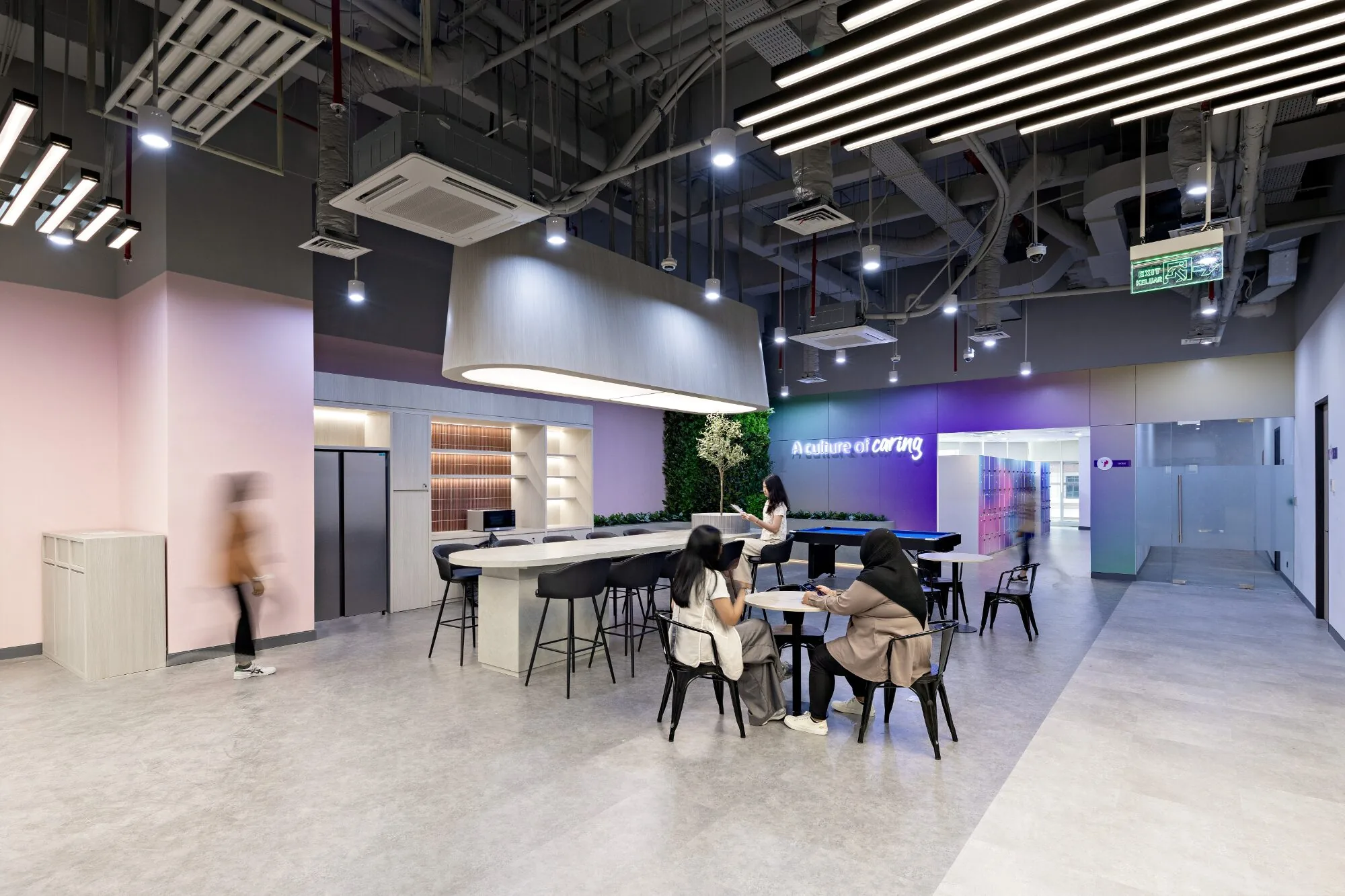
Today's industrial office design deliberately incorporates these elements even in new construction because they create distinctive character, communicate authenticity and transparency, signal creativity and innovation, provide flexibility and adaptability, and connect space to craft and making.
The aesthetic has evolved from literal warehouse conversion to curated industrial that maintains raw authenticity while achieving comfort and sophistication.
Key Elements of Industrial Office Design
Industrial design celebrates what conventional offices hide including ceiling beams and trusses, mechanical ductwork and piping, electrical conduit and junction boxes, concrete or steel structural elements, and sprinkler systems and fire protection.
These exposed systems become design features, often painted in contrasting colors or left natural to create visual interest and technical honesty.
Material palette emphasizes authenticity with exposed concrete floors and walls, reclaimed or aged wood, weathered steel and metal, exposed brick (real or thin brick veneer), and industrial-grade finishes that show process marks and imperfections.
These materials develop patina over time, creating living aesthetic that improves with age rather than degrading.
Lighting in industrial spaces makes bold statements through pendant fixtures with visible bulbs and cables, metal cage lights and factory-style shades, track lighting with industrial hardware, Edison bulb installations, and minimal decorative elements—form follows function.
Industrial spaces typically feature generous ceiling heights (10-16 feet), minimal partitions and closed offices, exposed structure creating vertical interest, open floor plans with flexible zoning, and visual connection across entire space.
This openness reflects industrial architecture's warehouse heritage and supports collaboration and transparency.
Furniture selection emphasizes utilitarian aesthetics and honest materials including steel frame desks and tables, reclaimed wood surfaces and shelving, metal shelving and storage systems, leather or canvas upholstery, and vintage or salvaged pieces mixed with new.
The goal is curated industrial, not random junk—each piece must earn its place through function or character.
Pure industrial can feel cold and harsh. Successful designs add strategic warmth through area rugs defining zones, plants bringing life and color, textile elements in seating and curtains, warm wood tones balancing metal and concrete, and softer lighting in break and social areas.
This balance prevents industrial from becoming unwelcoming.
Industrial Design's Psychological Impact
Industrial aesthetics create specific psychological and cultural effects that make them powerful for certain organizations.
These cultural signals make industrial design particularly effective for tech companies, creative agencies, startups, innovative enterprises, and brands emphasizing authenticity.
Regional Adaptations in Asia
Industrial design adapts to Asian climates and cultures with specific considerations:
Industrial Design for Different Sectors
The Cost Dynamics of Industrial Design
Industrial design presents interesting cost dynamics. Leaving systems exposed and materials unfinished can reduce construction costs by 15-30% compared to conventional finishes. However, achieving quality industrial requires exposed systems to be designed, coordinated, and painted intentionally, strategic lighting to compensate for hard surfaces, acoustic treatments for open spaces, and quality materials that look intentionally raw, not accidentally cheap.
Net result: industrial can be cost-effective if approached strategically, but cheap industrial looks terrible. Budget must go toward design intentionality and quality execution.
Sustainability and Industrial Design
Industrial design aligns naturally with sustainability through emphasis on reclaimed and salvaged materials, exposed systems revealing building performance, durable materials with long lifespan, adaptive reuse of existing buildings, and minimal unnecessary finishes reducing embodied carbon.
Many LEED and Green Mark certified offices employ industrial aesthetics because the design philosophy supports environmental goals.
Case Study: Creative Agency's Industrial Headquarters
A 40-person creative agency in Kuala Lumpur wanted office reflecting their brand values of authenticity, craft, and creative courage. We designed industrial space in converted warehouse with exposed concrete structural columns and beams, mechanical systems painted matte black, polished concrete floors with decorative saw cuts, reclaimed wood feature walls and desks, metal and Edison bulb lighting throughout, and industrial steel frame partitions with glass.
Softening elements included abundant plants in industrial metal planters, colorful upholstered seating, large windows with industrial-style steel frames, and warm wood meeting room tables.
Results were powerful—the space became showcase project featured in design media, recruitment applications increased 65%, client meeting feedback highlighted authentic, creative culture, and employee pride and engagement scores improved 40%.
The raw aesthetic perfectly expressed the agency's creative philosophy.
Common Industrial Design Mistakes
Pitfalls to avoid:
Blending Industrial with Other Styles
Industrial works beautifully combined with other aesthetics including industrial-modern (clean lines with raw materials), industrial-minimalist (restrained palette with exposed systems), industrial-Scandinavian (natural wood warmth with industrial honesty), and industrial-vintage (curated antique elements with industrial base).
These hybrids often work better than pure industrial, creating unique character specific to your organization.
The Future of Industrial Design
Industrial aesthetics continue evolving with incorporation of smart building technology within raw aesthetic, sustainable materials and systems increasingly celebrated, biophilic elements bringing nature into industrial spaces, and refined industrial becoming mainstream in corporate environments.
The core appeal endures: honest materials, visible systems, and authentic expression will always resonate in business cultures valuing transparency and innovation.
Conclusion: The Refined Rough
Industrial office design proves that sophistication doesn't require polish. The raw materials, exposed systems, and honest construction create powerful aesthetic expressing authenticity, transparency, and creative confidence.
But successful industrial is never accidental or lazy—it requires careful design, intentional material selection, thoughtful detail coordination, and refined execution of apparently rough aesthetic.
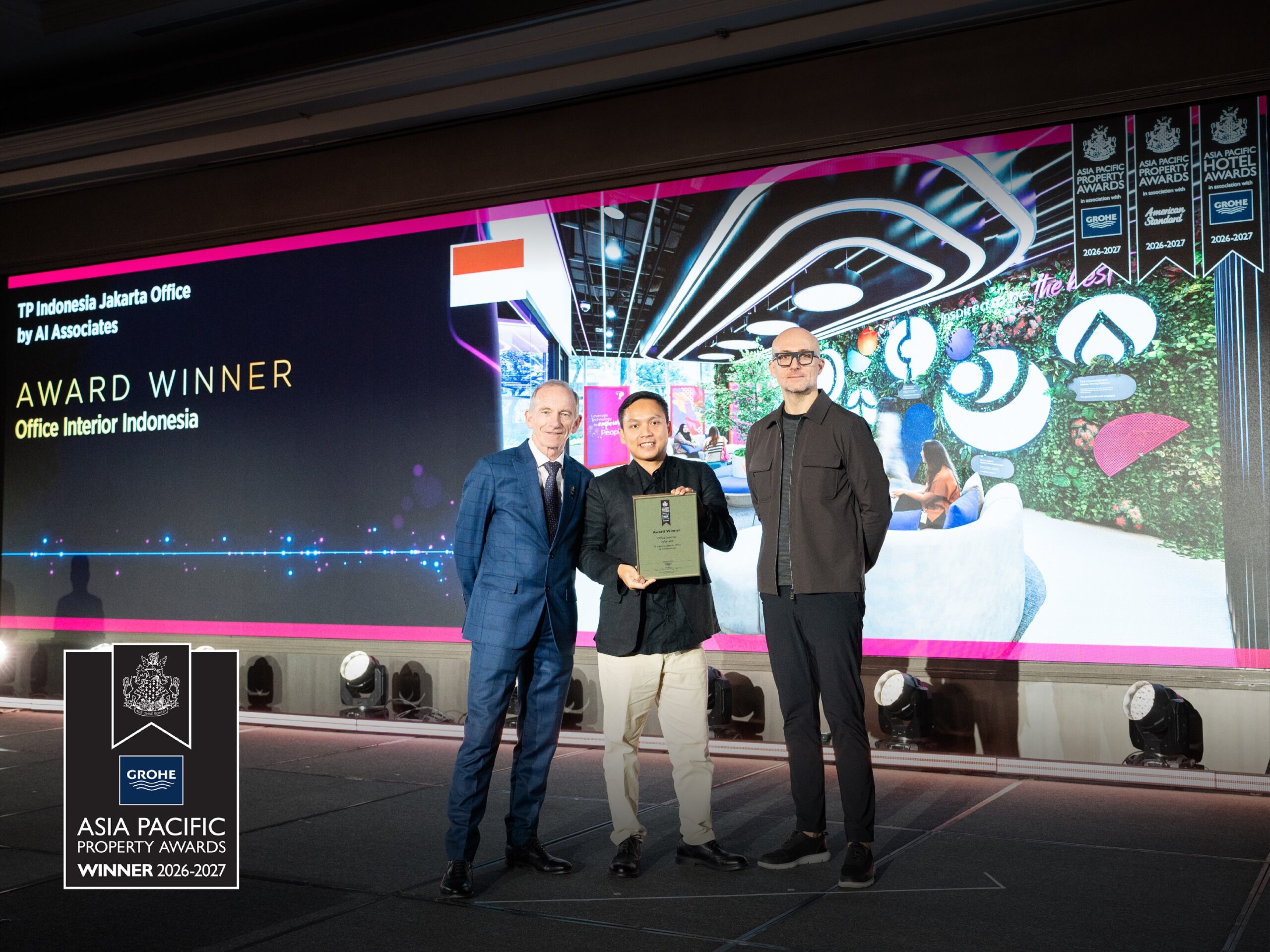
At AI Associates, we've created award-winning industrial spaces that balance raw authenticity with functional excellence, creating environments that inspire while performing exceptionally.
If your organization's culture emphasizes authenticity, innovation, and creative courage, industrial design might be your perfect expression. Let's discuss how strategic roughness could become your most refined statement.