
Quick answer
How many lux do you need for office lighting?
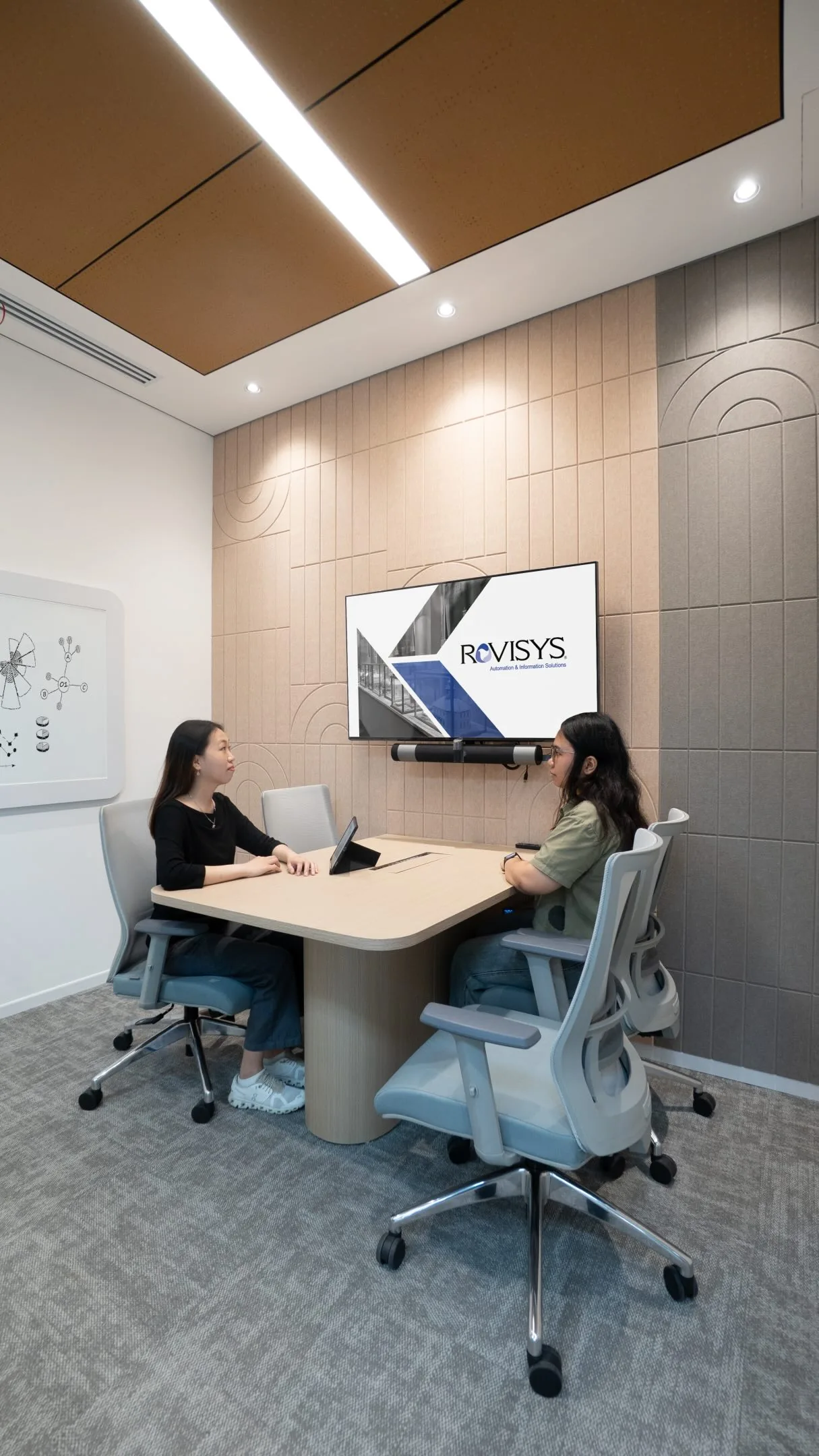
General office work requires 300-500 lux, detailed tasks like reading or data entry need 500-750 lux, and very detailed work such as design needs 750-1,000 lux. Meeting rooms need 300-500 lux, while corridors require only 100-150 lux.
Key Takeaways
- Effective office lighting layers ambient, task, and accent lighting, targeting 300-500 lux for general work.
- LED lighting uses 75% less energy than incandescent and lasts over 50,000 hours.
- Circadian-tuned lighting adds a 15-30% premium but often returns its investment within two years through productivity.
Light: The Most Underestimated Office Design Element
Poor lighting is silent productivity killer affecting every employee daily yet rarely receiving serious design attention until problems surface: eye strain and headaches, afternoon energy crashes, screen glare frustration, video conferencing lighting disasters, and mood impacts (particularly in windowless spaces). Research consistently shows lighting profoundly affects cognitive performance, energy levels, mood and wellbeing, sleep quality, and error rates. Yet many offices accept inadequate lighting, treating it as functional necessity rather than strategic design element. After designing lighting for 500+ offices across Asia, we’ve learned what separates spaces where people thrive from those where they struggle. Excellent lighting doesn’t require massive budgets—it requires understanding principles and systematic application. This comprehensive guide provides framework for designing office lighting supporting health, productivity, and visual comfort.Understanding Light Measurement & Requirements
Key Concepts: Lux (lx): Light intensity measurement. One lux = one lumen per square meter. Office Lighting Standards: - General office work: 300-500 lux - Detailed work (reading, data entry): 500-750 lux - Very detailed work (design, drafting): 750-1,000 lux - Meeting rooms: 300-500 lux - Corridors: 100-150 lux Color Temperature (Kelvin): - Warm white: 2700-3000K (cozy, residential feel) - Neutral white: 3500-4500K (balanced, versatile) - Cool white: 5000-6500K (energizing, clinical) Color Rendering Index (CRI): Measures how accurately colors appear. Office lighting should be CRI 80+ (90+ for design/creative work).The Three Lighting Layers
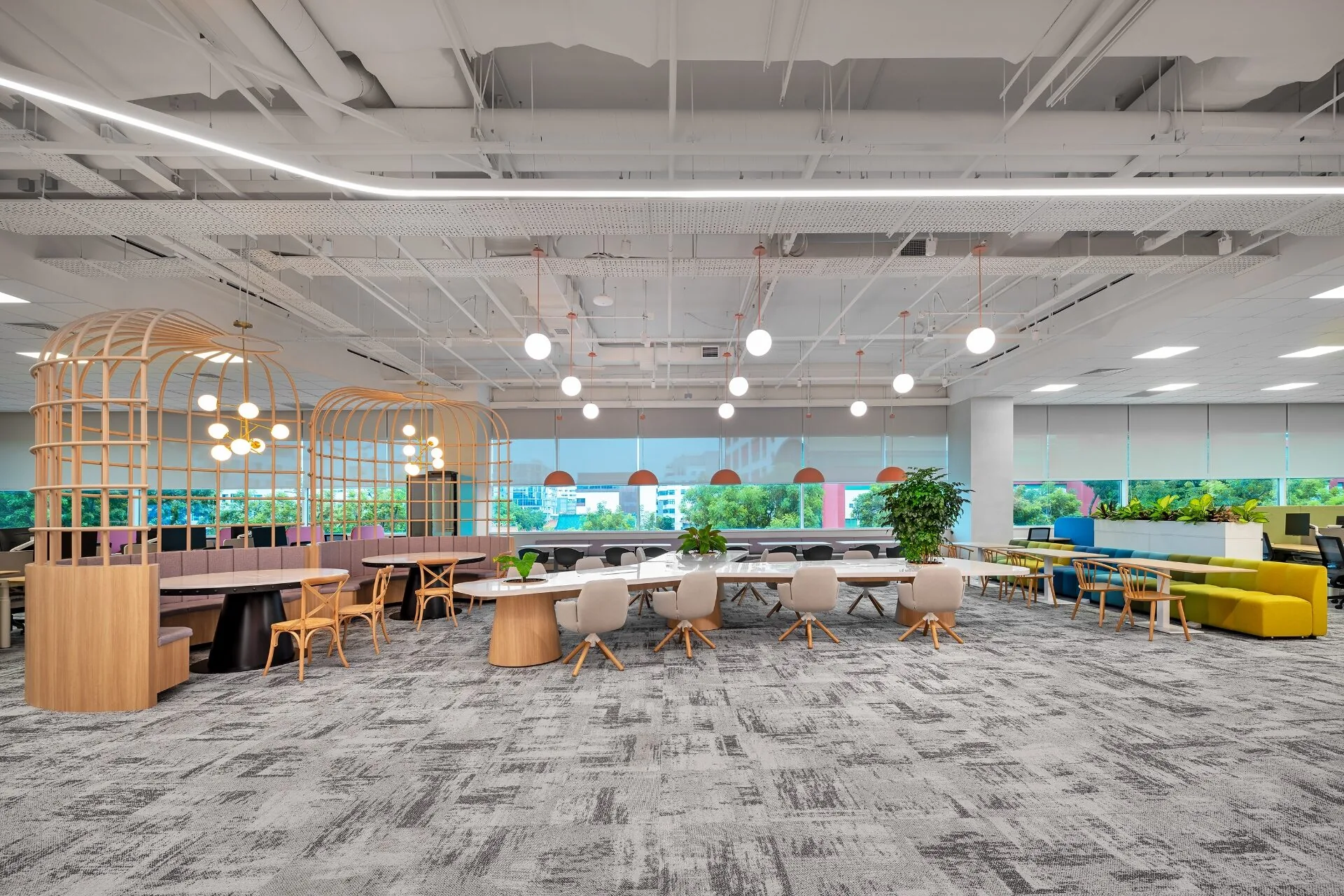
Effective office lighting combines three distinct layers:- Ambient Lighting (General Illumination): Base layer providing overall visibility throughout space. Sources include ceiling fixtures (recessed, surface-mounted, suspended), indirect lighting (uplighting from fixtures), and natural daylight contribution.
- Task Lighting (Focused Work Illumination): Supplemental lighting at workstations for detailed tasks. Sources include desk lamps, under-cabinet lighting, and monitor backlights.
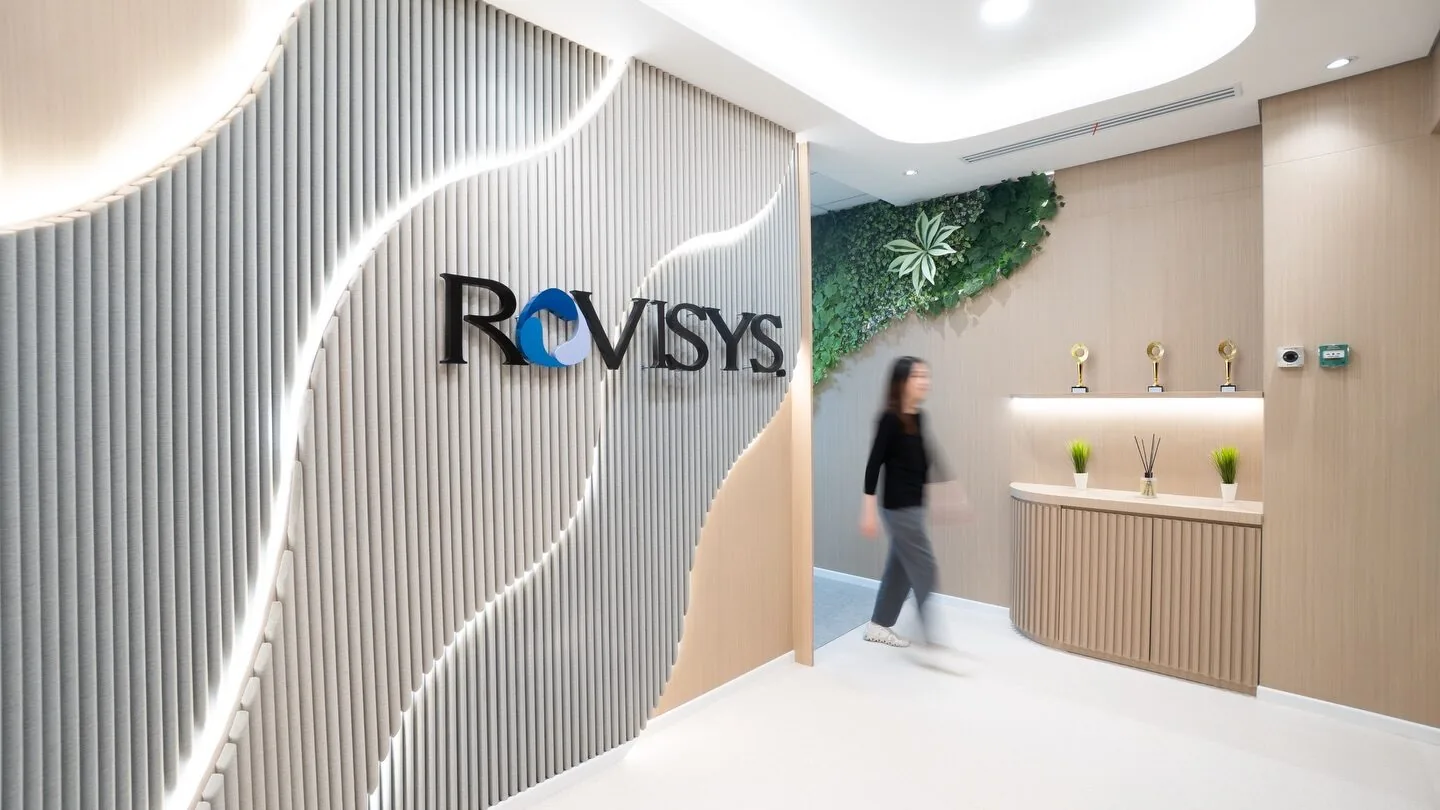
- Accent Lighting (Visual Interest): Highlighting architectural features, artwork, or creating ambiance. Not functional necessity but enhances aesthetic quality and wayfinding.