
Best Office Plants Guide: Biophilic Design for Workplace

Blog Image

The Green Office Advantage

Plants in offices are more than decoration—they’re strategic wellness investment delivering measurable benefits: improved air quality (NASA research shows plants removing toxins), increased productivity (15% boost in studies), reduced stress and anxiety, enhanced creativity, lower absenteeism, and acoustic absorption. Yet many offices either avoid plants entirely (fear of maintenance) or choose wrong varieties (high-maintenance tropicals dying within weeks, creating depressing effect opposite of intention). After integrating plants into hundreds of office designs across tropical Asia, we’ve learned which species thrive in office conditions, how many plants to include, placement strategies maximizing benefits, and maintenance approaches ensuring long-term success. This comprehensive guide provides framework for successful office plant programs transforming sterile workspaces into vibrant, health-supporting environments.

Understanding Biophilic Design

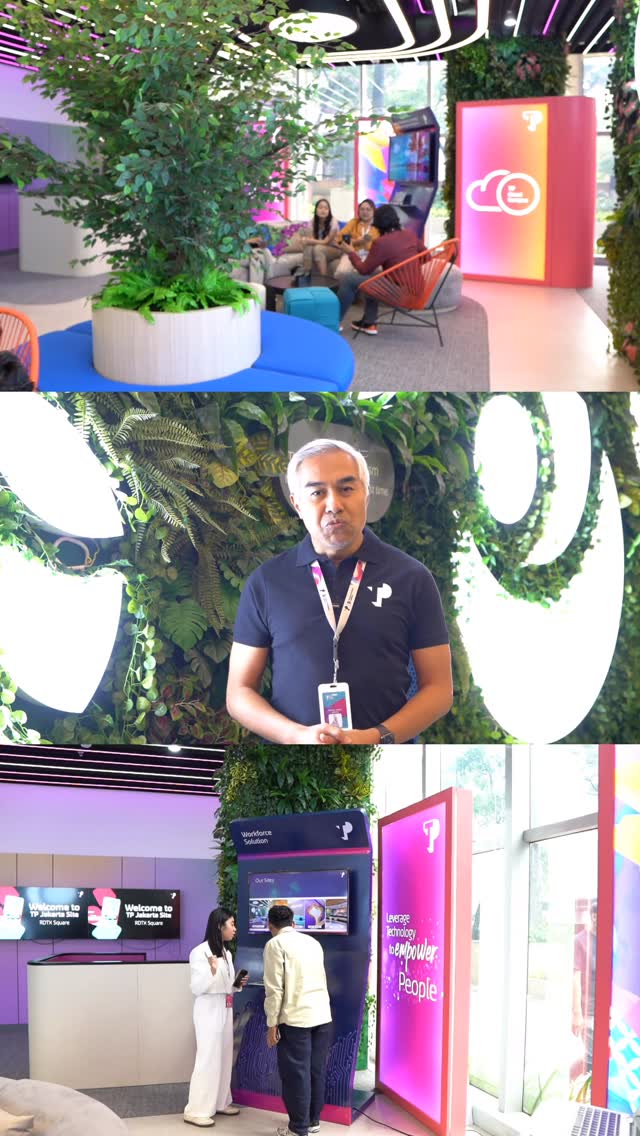
Biophilia hypothesis suggests humans have innate connection to nature. Biophilic design intentionally incorporates natural elements into built environments improving occupant wellbeing. Research-Backed Benefits: University of Queensland study found plants increased productivity 15%, University of Exeter research showed plants reduced sick days, Texas A&M research demonstrated enhanced creativity, and multiple studies confirmed stress reduction and improved mood. Key Principles: - Direct nature connection (living plants) - Indirect nature connection (natural materials, colors, patterns) - Space and place conditions (views, refuges, natural light) Plants are most accessible, cost-effective biophilic intervention.

Best Office Plant Varieties

  1. Snake Plant (Sansevieria trifasciata)
Why Excellent for Offices: Nearly indestructible, tolerates low light and neglect, survives with minimal watering (2-3 weeks), purifies air (removes formaldehyde, benzene), and striking architectural form. Care: Water every 2-3 weeks, indirect light (tolerates low), well-draining soil Cost: Rp 50.000-300.000 depending on size Best For: Reception areas, corners, low-light zones
  1. Pothos (Epipremnum aureum)
Why Excellent: Extremely forgiving, tolerates various light conditions, grows vigorously (can trail or climb), excellent air purifier, and propagates easily for expanding collection. Care: Water weekly, indirect light (tolerates low-medium), allow soil to dry between waterings Cost: Rp 30.000-150.000 Best For: Shelves, cabinets, hanging baskets, green walls
  1. ZZ Plant (Zamioculcas zamiifolia)
Why Excellent: Drought-tolerant (survives 2-4 weeks without water), thrives in low to medium light, glossy attractive foliage, slow-growing (low maintenance), and very hardy. Care: Water every 2-3 weeks, indirect light, well-draining soil Cost: Rp 75.000-400.000 Best For: Offices with inconsistent care, darker corners
  1. Spider Plant (Chlorophytum comosum)
Why Excellent: Air purifying champion, produces “babies” creating more plants, tolerates wide range of conditions, safe around pets/children, and fast-growing. Care: Water weekly, bright indirect light preferred (tolerates medium), moist soil Cost: Rp 25.000-100.000 Best For: Hanging baskets, desk plants, break rooms
  1. Peace Lily (Spathiphyllum)
Why Excellent: Flowers adding visual interest, excellent air purifier, tolerates low light, indicates watering needs (droops when thirsty, recovers quickly), and attractive dark foliage. Care: Water when soil surface dry, low to medium light, prefers higher humidity Cost: Rp 50.000-250.000 Best For: Conference rooms, reception, bathrooms (likes humidity)
  1. Rubber Plant (Ficus elastica)
Why Excellent: Bold statement plant, air purifying, relatively easy care, tolerates some neglect, and various cultivars (burgundy, variegated). Care: Water when top 2-3cm soil dry, bright indirect light, wipe leaves occasionally Cost: Rp 100.000-500.000 Best For: Floor plants in bright areas, executive offices
  1. Monstera Deliciosa
Why Excellent: Dramatic tropical aesthetic, fast-growing once established, relatively easy care, and Instagram-worthy appearance (recruitment marketing gold). Care: Water when top soil dry, bright indirect light, support for climbing Cost: Rp 150.000-800.000 depending on size Best For: Feature areas, creative offices, reception
  1. Bamboo Palm (Chamaedorea seifrizii)
Why Excellent: Top air purifier, adds humidity, elegant tropical look, tolerates low light, and non-toxic. Care: Keep soil consistently moist, low to bright indirect light, mist occasionally Cost: Rp 100.000-500.000 Best For: Larger floor plants, corners, room dividers
  1. Aloe Vera
Why Excellent: Medicinal properties (gel treats minor burns), air purifying, drought-tolerant, easy propagation, and sculptural appearance. Care: Water every 2-3 weeks, bright light, well-draining soil Cost: Rp 20.000-100.000 Best For: Windowsills, pantries, desks
  1. Fiddle Leaf Fig (Ficus lyrata)
Why Excellent: Dramatic architectural presence, trendy aesthetic, grows tall creating impact, and air purifying. Care: Water when top soil dry, bright indirect light, consistent watering (doesn’t like changes), wipe leaves Cost: Rp 200.000-1.500.000 depending on size Best For: Statement plants in bright spaces, executive areas Note: More finicky than others—not for low-maintenance offices

Plant Quantity & Distribution

Recommended Density: Research suggests 1 plant per 10-15 m² (approximately 1 per 3-4 people) for noticeable benefits. For 500 m² office, target 30-50 plants. Strategic Placement: High-Priority Areas: - Reception/entry (first impression, high visibility) - Meeting rooms (stress reduction during intense discussions) - Open workstations (productivity benefits where most people work) - Break rooms (relaxation enhancement) - Circulation areas (wayfinding, visual interest) Effective Arrangements: - Clusters create more impact than scattered singles - Variety in heights (floor plants, desk plants, hanging plants) - Mix textures and leaf shapes - Green walls for dramatic statements in limited floor space

Maintenance Strategies

Internal vs. External Maintenance: Internal (Self-Managed): Pros: Lower cost, employee engagement opportunity, immediate care Cons: Inconsistent quality, knowledge gaps, forgotten during busy periods External (Plant Service): Pros: Professional care, guaranteed health, replacement of failing plants, consistent quality Cons: Higher cost (typically Rp 30.000-50.000 per plant per month) Hybrid Approach: Service handles large/critical plants, employees care for desk plants. Offers balance of quality and engagement. Basic Care Guidelines: Watering: Most office plant deaths from overwatering, not underwatering. Check soil before watering—if top 2-3cm moist, don’t water. Bottom of pot should drain freely. Light: Observe light conditions honestly. “Low light” isn’t dark—it’s ambient office lighting without direct sun. Most plants need at least some natural light. Cleaning: Dust accumulates on leaves reducing photosynthesis and looking shabby. Wipe large leaves monthly with damp cloth. Feeding: Slow-release fertilizer every 3-6 months or liquid fertilizer monthly during growing season (April-October in tropics). Pruning: Remove dead/yellowing leaves promptly. Trim overgrown plants maintaining shape. Pest Management: Inspect regularly for pests (mealybugs, spider mites). Isolate affected plants, treat with insecticidal soap or neem oil.

Green Walls & Living Walls

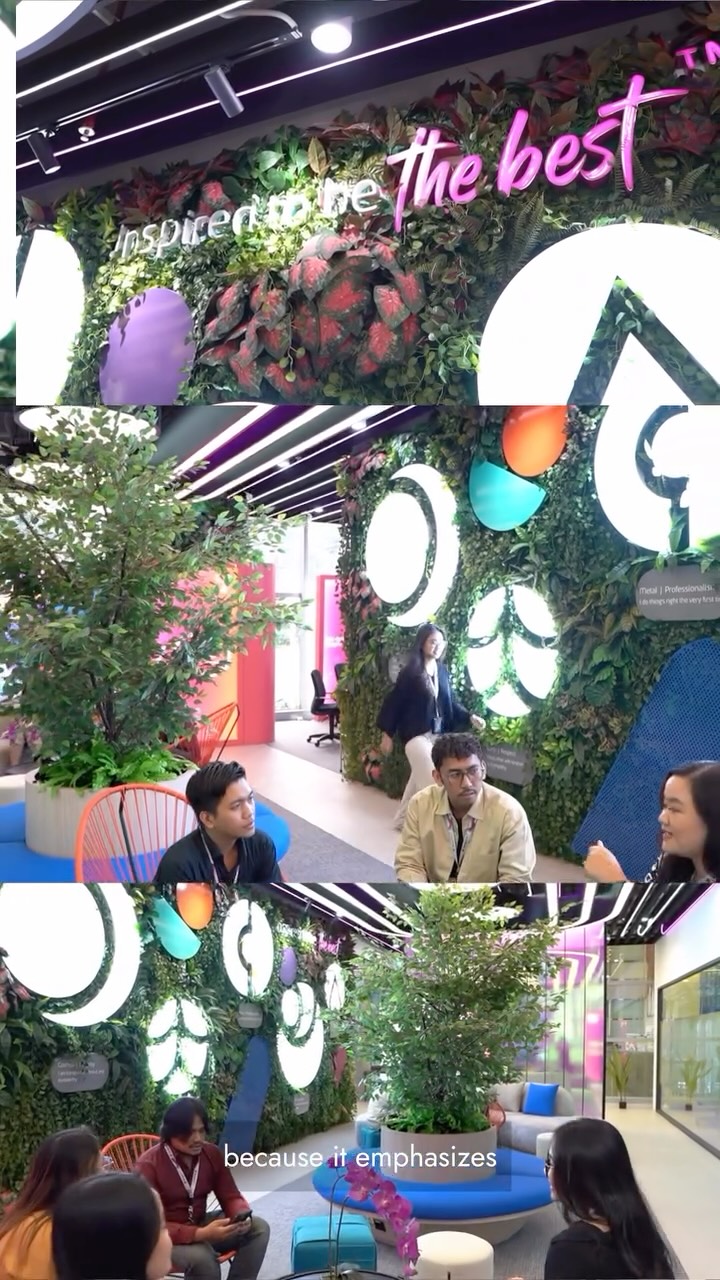
Vertical gardens maximize biophilic impact in limited floor space. Types: Modular Panel Systems: Pre-planted panels mounted to walls, integrated irrigation, professional installation required. Cost: Rp 2-4 juta per m² Maintenance: Professional service essential Pocket Systems: Fabric or plastic pockets holding individual plants, easier installation, more DIY-friendly. Cost: Rp 800.000-1.500.000 per m² Maintenance: Can be self-managed Best For: Reception feature walls, large blank walls, branding opportunities, high-impact areas. Considerations: Require irrigation systems, higher maintenance than potted plants, structural support needed, and potential water damage if poorly installed.

Budget Guidelines

Starter Office Plant Program (100 m², 10-15 people): - 8-10 small-medium plants - Mix of easy-care varieties - Internal maintenance - Investment: Rp 1-2 juta initial + Rp 200.000/month supplies Standard Program (500 m², 50 people): - 30-40 plants (variety of sizes) - Professional initial setup - External maintenance service - Investment: Rp 5-10 juta initial + Rp 1,2-1,8 juta/month maintenance Premium Program (1,000 m², 100 people): - 60-80 plants - Green wall feature - Full professional service - Seasonal rotation - Investment: Rp 15-30 juta initial + Rp 3-5 juta/month maintenance

Plants to Avoid in Offices

High-Maintenance Tropicals: Calatheas, ferns (most varieties), orchids (except easy phalaenopsis)—require high humidity, consistent watering, specific conditions Toxic Varieties (if children/pets present): Philodendrons, dieffenbachia, some ficus varieties—can cause irritation if ingested Strong-Scented: Heavily fragrant plants can trigger allergies or sensitivities in enclosed spaces Messy: Flowering plants dropping petals, fruit-bearing plants, plants with sticky sap

Regional Considerations: Southeast Asia

Tropical Advantages: Year-round growing season, natural humidity supporting many plants, and abundant natural light. Challenges: Air conditioning creating dry conditions (counter with humidity-tolerant species or occasional misting), intense sunlight through windows (filter with sheer curtains), and pest pressure higher in tropics (regular monitoring essential). Locally Available Plants: Indonesian/Malaysian nurseries stock most recommended species affordably. Support local growers when possible.

Measuring Success

Track program effectiveness through employee surveys (satisfaction, perceived air quality, stress levels), observation (are plants thriving or struggling?), utilization (do people gravitate to planted areas?), maintenance costs (sustainable long-term?), and recruitment feedback (do candidates comment on green office?). Successful program shows high employee satisfaction with plants, healthy thriving specimens, positive recruitment feedback, and sustainable maintenance model.

Common Mistakes

Mistake #1: Choosing Wrong Plants for Conditions. Ferns in dry air-conditioned space without humidity will fail. Match plants to actual environment. Mistake #2: Overwatering. Soggy soil = root rot = dead plants. Better to underwater than overwater most office plants. Mistake #3: No Maintenance Plan. Plants bought with enthusiasm, forgotten after 2 weeks. Assign responsibility clearly. Mistake #4: Insufficient Quantity. 3 plants in 500 m² office provides negligible benefits. Need critical mass for impact. Mistake #5: Poor Quality Initial Plants. Buying stressed supermarket plants that decline immediately. Start with healthy specimens from proper nurseries. Mistake #6: All Floor Plants. Mix heights and locations for visual interest and broader distribution of benefits.

Conclusion

Office plants deliver exceptional ROI through productivity improvements, wellbeing benefits, air quality enhancement, and aesthetic transformation. Investment is modest—Rp 100.000-200.000 per employee for comprehensive program delivering benefits worth multiples of that. Keys to success: choose appropriate plant varieties for conditions, provide adequate quantity (1 per 10-15 m²), establish clear maintenance approach, distribute strategically throughout space, and monitor/adjust as needed. Start small if unsure—even 10-15 well-chosen, well-maintained plants transform office feeling dramatically. At AI Associates, biophilic design is integrated into workplace strategy ensuring plants enhance rather than burden operations. Contact us for office plant program consultation ensuring green office delivers maximum benefits.
Resources Related
Follow us on @ai.associates_

A closer look at our work, people, and design process.

Our officesSingapore/Kuala Lumpur/Jakarta
We design and build experiences.
At AI Associates, we turn ideas into thoughtful spaces, driven by strategy and experience. Get in touch with us to begin your design journey.
Singapore
A I Associates Pte Ltd

2 Sims Close #07-02 Gemini @ Sims Singapore. 387298.

T: +65 6659 7688

Malaysia
A.I. Architectural Interior Associates Sdn Bhd.

Unit No. 20-03, Level 20, Menara MBMR, No. 1, Jalan Syed Putra, Kuala Lumpur, 58000, Malaysia.

T: +60 3 2302 2900

Indonesia
PT. Architectural Interiors Indonesia

PIFT 19th floor unit 03, Jl. Lingkar Puri Dalam Blok T-8, Puri Indah, Jakarta Barat, Indonesia. 11610.

T: +6221 2258 5558

Cambodia
AI Associates (Cambodia) Co.,Ltd

No. 724 ECC Building 18th Floor, Norodom Blvd, Sangkat Tonle Basak, Khan Chamkamorn, Phnom Penh, Cambodia.

T: +855 23 230 763

Vietnam
AI Associates Vietnam Company Limited

617 & 617A National Road 13, Town 3, Hiep Binh Phuoc Ward, Thu Duc City, Ho Chi Minh City, Vietnam

China
A I Associates (Shanghai) Co., Ltd

Rm5213, 5th floor, No.656 Guilin Road, Xuhui district Shanghai, China