
Office Flooring Guide: Carpet vs Hardwood vs Tile

Office Flooring Guide — AI Associates

Quick answer

What is the best flooring for an office?

There is no single best office flooring. LVT offers the best lifecycle value for most spaces. A mixed approach works best: carpet tile in open work areas for acoustics, LVT in circulation and pantries for durability, and hardwood or premium LVT in high-visibility areas.

Key Takeaways

  • LVT offers the best lifecycle value for most offices, costing about $55 per square meter and lasting 15 years.
  • Carpet tile suits open work areas for acoustics, while LVT and tile handle wet, high-traffic support zones.
  • Choosing flooring on initial cost alone backfires; cheap carpet replaced every three years outcosts premium carpet.
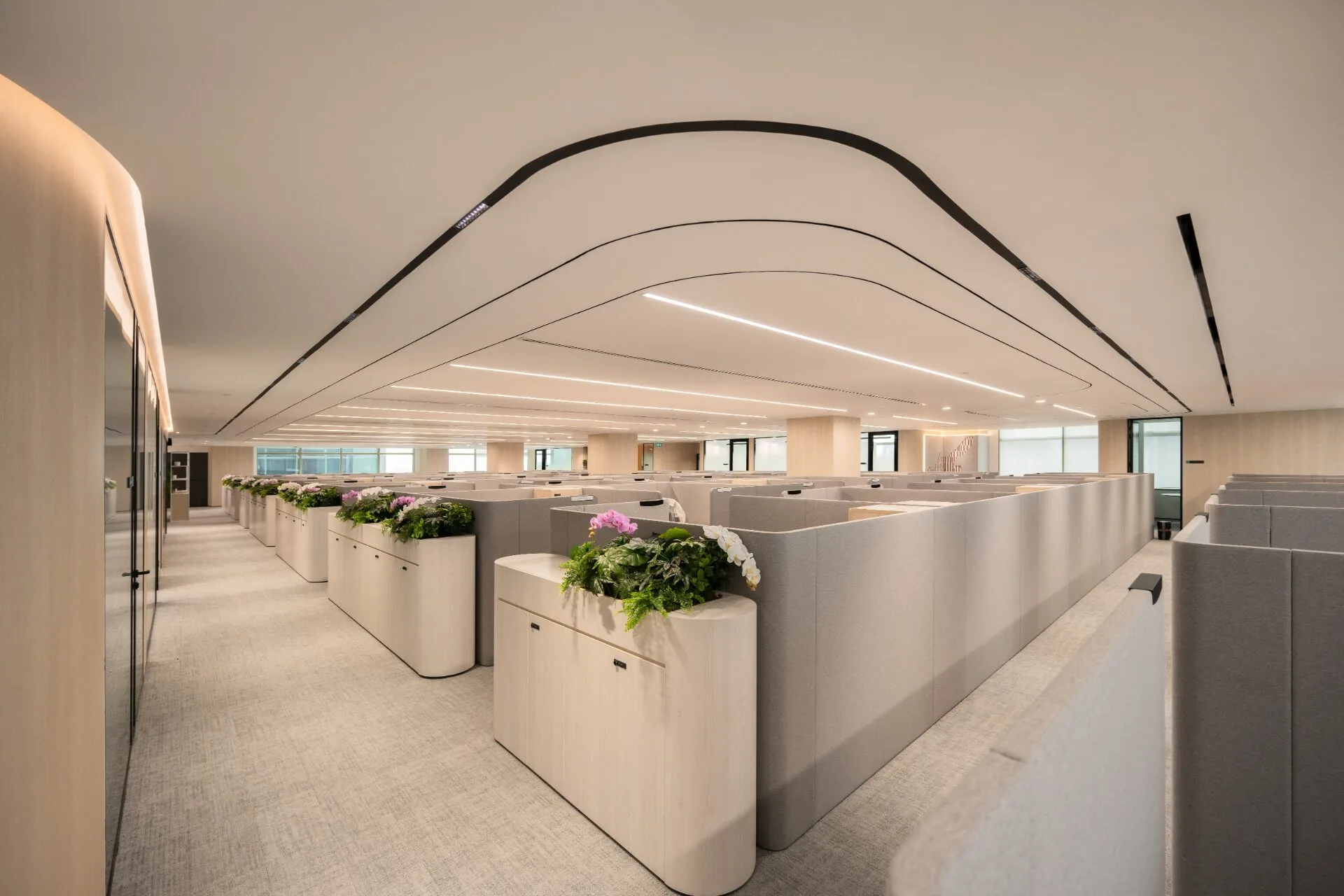
The Foundation of Office Design

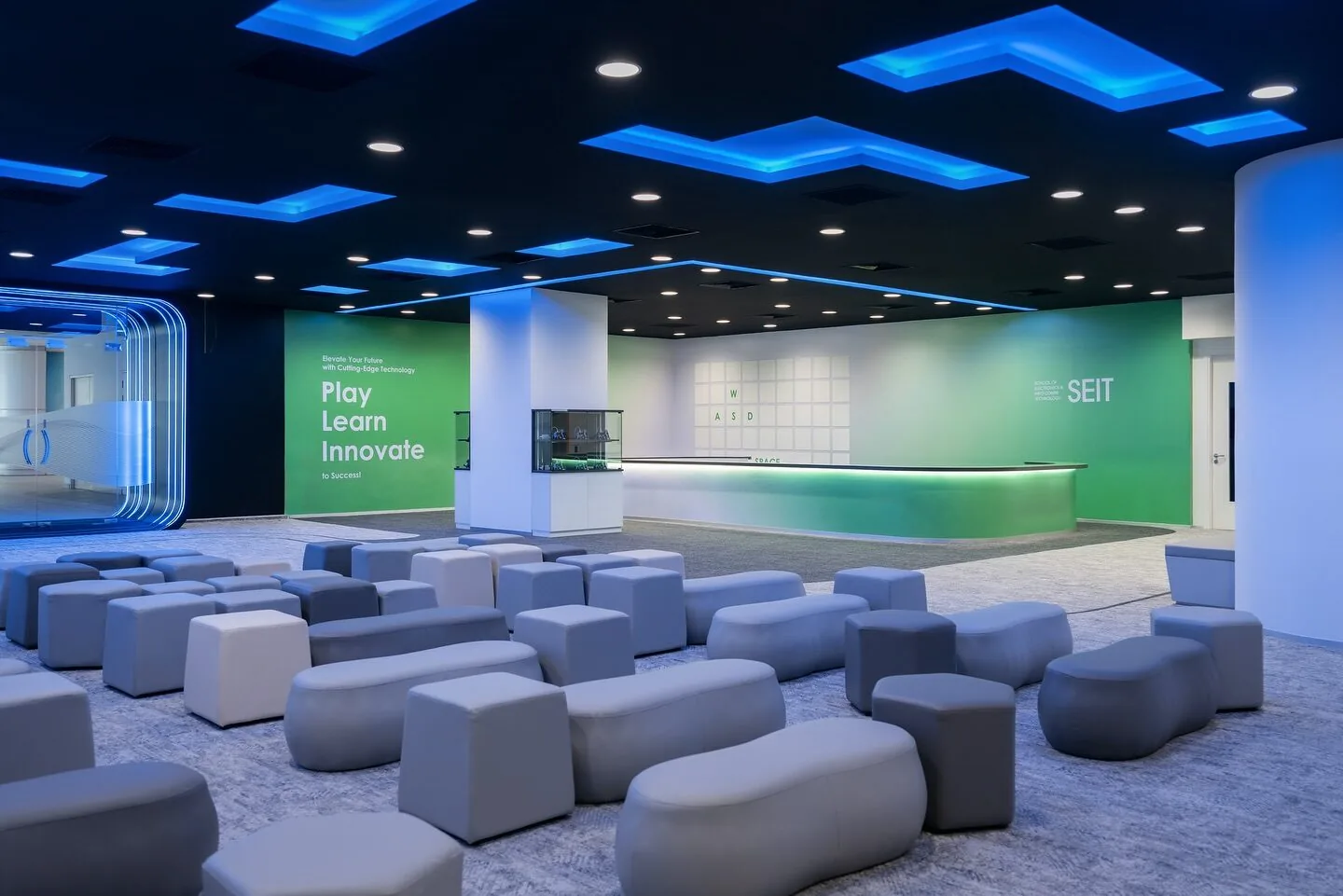
Flooring is literally the foundation of your office design—the largest continuous surface in your workspace affecting aesthetics, acoustics, comfort, safety, and maintenance costs for years. Yet many companies make flooring decisions based primarily on initial cost without considering long-term implications. The wrong flooring creates expensive problems: excessive noise undermining acoustic design investments, premature wear requiring costly replacement, difficult maintenance draining facilities budgets, safety hazards from slips or trips, and aesthetic mismatch with intended design character. After specifying flooring for 500+ offices across Singapore, Malaysia, and Indonesia, we’ve learned which materials work where, what performance to expect, and how to make smart flooring investments balancing initial cost with lifecycle value. This comprehensive guide compares major office flooring options helping you select appropriate materials for different spaces within your office.

Major Office Flooring Options

Carpet Tile: Modular squares (18”×18” or 24”×24”) installed individually. Most common commercial office flooring. Benefits include acoustic absorption, comfort underfoot, replacement flexibility, and design variety. Challenges include stain vulnerability, regular cleaning requirements, and moisture sensitivity. Broadloom Carpet: Wall-to-wall rolled carpet installation. Less common in commercial offices now but still used. Benefits include seamless appearance, acoustic benefits, and comfort. Challenges include difficult replacement (must replace large sections), harder to clean, and vulnerability to damage. Luxury Vinyl Tile (LVT): Resilient vinyl planks or tiles mimicking wood or stone. Rapidly growing market share. Benefits include realistic wood/stone appearance, water resistance, durability, easy maintenance, and cost-effectiveness. Challenges include limited acoustic absorption and can feel hard underfoot. Hardwood Flooring: Real wood planks or engineered wood. Premium option creating warm aesthetic. Benefits include prestigious appearance, long lifespan, refinishing capability, and timeless aesthetic. Challenges include high initial cost, maintenance requirements, acoustic challenges, and moisture sensitivity. Porcelain/Ceramic Tile: Hard tile flooring, typically in support areas. Benefits include water immunity, extreme durability, easy cleaning, and hygienic. Challenges include cold/hard feel, acoustic issues, slip hazards when wet, and grout maintenance. Polished Concrete: Exposed concrete with polished finish. Industrial-modern aesthetic popular with tech companies. Benefits include ultra-durable, low maintenance, modern aesthetic, and sustainable (uses existing slab). Challenges include very hard surface, acoustic issues, cold feeling, and difficult retroactive installation. Rubber Flooring: Commercial rubber tiles or rolls. Typically specialty applications. Benefits include extreme durability, water resistance, comfort, and slip resistance. Challenges include limited aesthetic variety, strong odor initially, and cost.

Detailed Comparison: Carpet Tile

Ideal Applications: Open workstations, meeting rooms, private offices, and general circulation areas. Advantages: Acoustic absorption (critical in open offices), comfort for standing, easy replacement (swap individual damaged tiles), design flexibility (mix colors/patterns), and conceals subfloor imperfections. Disadvantages: Requires regular vacuuming, vulnerable to stains, shows wear patterns in high-traffic areas, moisture accumulation if spills not cleaned, and can trap allergens. Cost: Mid-range. Material: $20-60 per sq m; Installation: $10-20 per sq m; Total: $30-80 per sq m. Maintenance: Daily/weekly vacuuming, quarterly deep cleaning, annual inspection/replacement of damaged tiles, and 7-12 year expected lifespan. Performance Factors: Fiber type (nylon most durable, polyester budget, wool premium), backing system (cushion vs. hard back), pile height (low pile for office chairs), and quality tier (budget wears 3-5 years, premium 10-12 years).

Detailed Comparison: Luxury Vinyl Tile (LVT)

Ideal Applications: Reception areas, break rooms, pantries, high-traffic circulation, and wet-prone zones. Advantages: Realistic wood/stone appearance at fraction of cost, water resistant (ideal for pantries), easy cleaning (mop and go), extreme durability, comfortable underfoot (vs. tile), and no grout maintenance. Disadvantages: Limited acoustic absorption (needs ceiling treatment), can dent from heavy furniture, shows scratches over time, and not as prestigious as real wood. Cost: Mid-range. Material: $25-70 per sq m; Installation: $15-25 per sq m; Total: $40-95 per sq m. Maintenance: Easy daily sweeping/mopping, no specialized cleaning needed, scratches can be difficult to repair, and 10-20 year expected lifespan. Performance Factors: Wear layer thickness (determines scratch resistance), core type (WPC waterproof, SPC more rigid), click-lock vs. glue-down installation, and embossing quality (how realistic it looks).

Detailed Comparison: Hardwood Flooring

Ideal Applications: Executive offices, boardrooms, reception areas, and feature spaces. Advantages: Prestigious aesthetic, warm character, long lifespan (can last 30+ years), refinishing capability (restore appearance), improves with age (develops patina), and increases space value perception. Disadvantages: High initial cost, scratches and dents from furniture/heels, moisture sensitivity (warping risk), requires refinishing every 7-10 years, poor acoustic performance, and shows dirt easily. Cost: High-end. Material: $60-200+ per sq m; Installation: $30-60 per sq m; Total: $90-260+ per sq m. Maintenance: Regular sweeping/mopping with wood cleaner, immediate spill cleanup, refinishing every 7-10 years, furniture pads essential, and 20-40+ year lifespan with proper care. Wood Selection: Oak (most common, durable, classic), maple (harder, lighter color), walnut (premium, dark rich color), bamboo (sustainable option), and engineered wood (more stable, less expensive).

Detailed Comparison: Porcelain/Ceramic Tile

Ideal Applications: Pantries, restrooms, server rooms, entry areas, and wet environments. Advantages: Completely waterproof, extremely durable (30+ year lifespan), hygienic (bacteria resistant), easy cleaning, fire resistant, and color/pattern variety. Disadvantages: Hard and cold underfoot, poor acoustic performance, slip hazard when wet (use textured finishes), grout staining and cleaning, difficult installation, and expensive to replace if damaged. Cost: Variable by quality. Material: $25-100 per sq m; Installation: $30-50 per sq m; Total: $55-150 per sq m. Maintenance: Daily/weekly mopping, annual grout cleaning/sealing, immediate spill cleanup, and 20-40 year lifespan. Selection Factors: Slip rating (critical for safety), porcelain vs. ceramic (porcelain more durable), tile size (larger = fewer grout lines), and grout color (darker shows staining less).

Application Strategy by Space Type

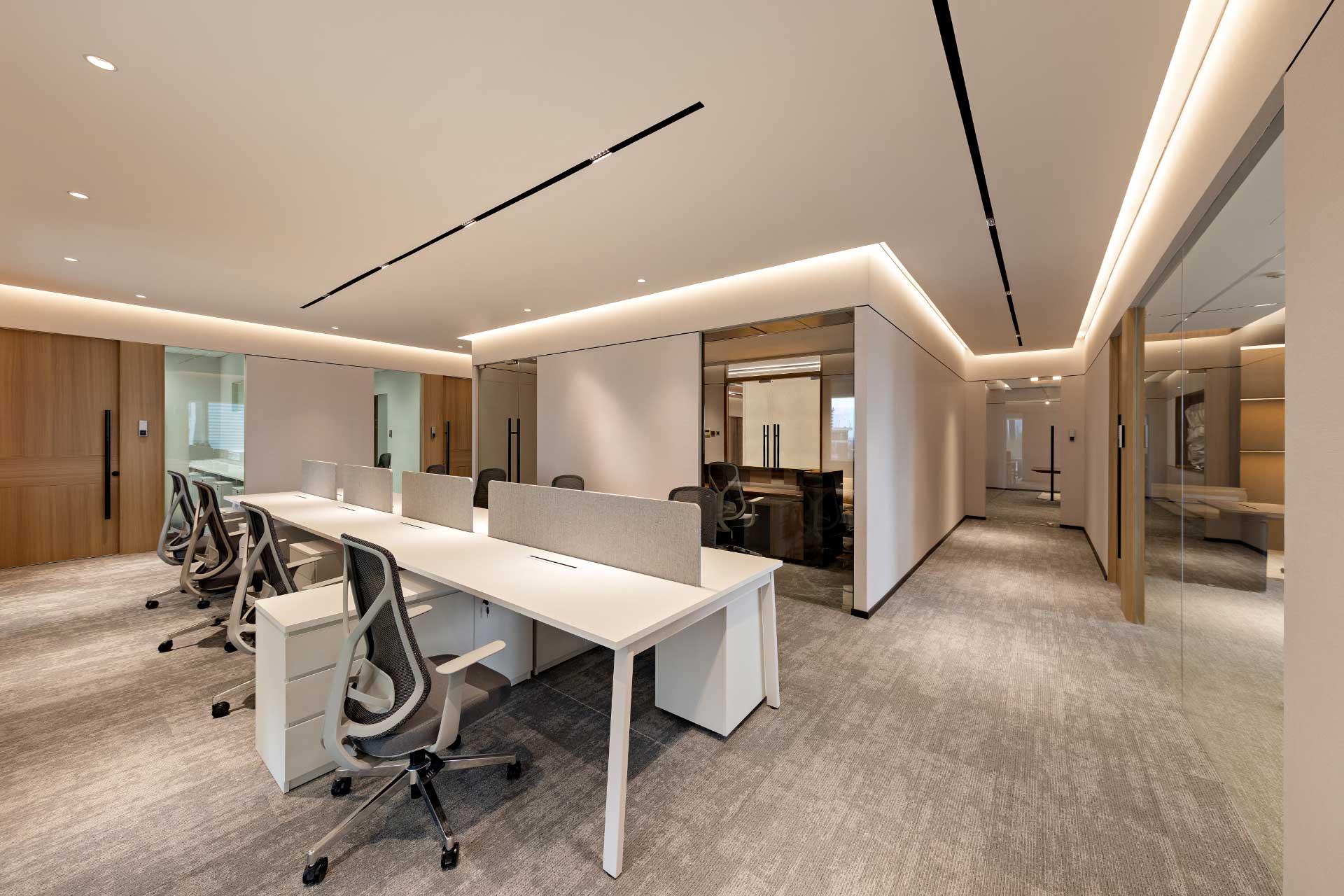
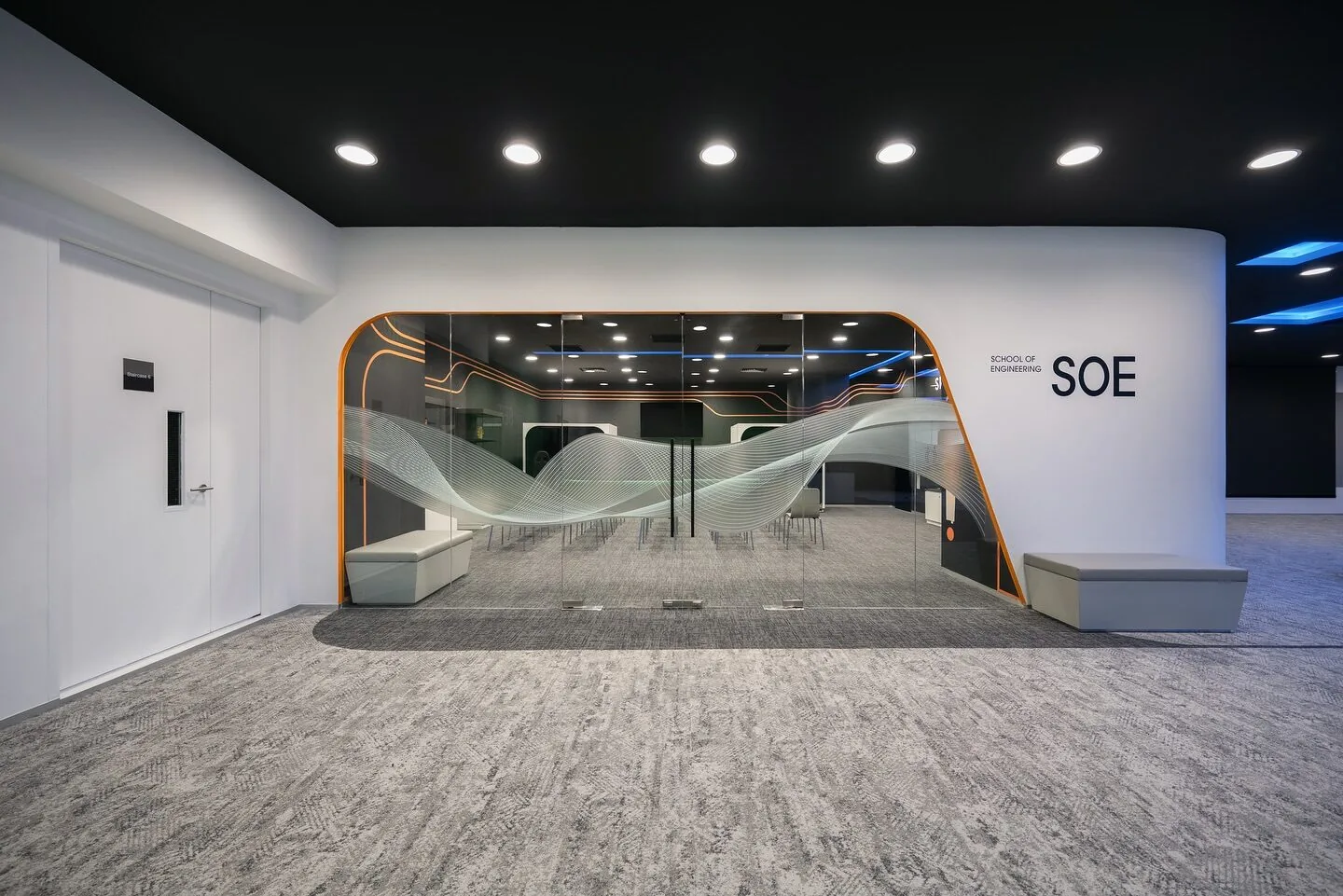
Open Workstations: Carpet tile (acoustic benefits essential). Low pile for office chairs. Neutral colors hiding soil. Budget for replacement every 7-10 years. Private Offices: Carpet tile or LVT depending on preference. Executives may prefer LVT wood-look for premium feel. Acoustic treatment on ceiling if hard flooring. Meeting Rooms: Carpet tile (acoustic benefits important). Consider pattern hiding stains. Higher quality justified by visibility. Reception/Lobby: LVT or real hardwood making strong impression. Durability essential for high traffic. Easy cleaning important for appearance. Break Rooms/Pantries: LVT or tile (water resistance essential). Easy cleaning priority. Slip-resistant if food prep area. Circulation/Hallways: LVT or carpet tile depending on traffic level. Durability paramount. Consider transition strips between areas. Server Rooms/IT Areas: Raised access flooring or hard surface (tile, LVT). Static control important. Easy cleaning of dust.

Cost-Benefit Analysis

Initial Cost vs. Lifecycle Cost: Cheap carpet: $30/sq m initial × 500 sq m = $15,000. Lifespan 5 years = $3,000/year. Replace 4 times over 20 years = $60,000 total. Premium carpet: $65/sq m initial × 500 sq m = $32,500. Lifespan 12 years = $2,708/year. Replace 1-2 times over 20 years = $65,000 total. LVT: $55/sq m × 500 sq m = $27,500. Lifespan 15 years = $1,833/year. Replace once over 20 years = $55,000 total. Winner: LVT best lifecycle value for most applications.

Regional Flooring Preferences

Singapore: Tile and LVT popular (humidity concerns with carpet), premium materials expected in prime locations, sustainable options increasingly demanded, and excellent product availability. Malaysia: Balance of carpet and hard surfaces, cost sensitivity drives material selection, good availability of mid-range options, and climate considerations important. Indonesia: Tile very common (climate appropriate), carpet in prestige offices, growing LVT adoption, and cost-effective options preferred.

Sustainability Considerations

Sustainable Options: Carpet tile from recycled content (many brands now 80%+ recycled), FSC-certified hardwood, natural linoleum (biodegradable), bamboo flooring (rapid renewable resource), and polished concrete (uses existing structure). Certifications: FloorScore (low VOC emissions), Cradle to Cradle (circular design), Green Label Plus (carpet), and NSF 332 (sustainability assessment). Disposal: Carpet tile take-back programs (some manufacturers recycle old tiles), hardwood can be repurposed or composted, and tile essentially permanent (not biodegradable).

Installation Considerations

Subfloor Preparation: Critical for all flooring. Level subfloor (especially for LVT, tile), moisture testing (prevents future failures), crack repair, and cleaning/priming. Acclimatization: Hardwood requires 72+ hours acclimation before installation, LVT benefits from 24-48 hours, and carpet tile less sensitive. Installation Method: Glue-down (most permanent), click-lock (easier replacement), and loose-lay (minimal installation). Transition Strips: Between different flooring types, at doorways, color changes, and height differences. Timing: Install flooring after ceiling/walls finished, before furniture installation, coordinate with other trades, and plan for curing time before heavy use.

Maintenance Cost Comparison

Annual Maintenance Costs (per sq m): - Carpet tile: $5-8 (vacuuming, deep cleaning, spot replacement) - LVT: $2-4 (sweeping, mopping, occasional deep clean) - Hardwood: $6-10 (specialized cleaning, periodic refinishing reserves) - Tile: $3-5 (mopping, grout cleaning, resealing) Over 10 years, maintenance costs can equal or exceed initial installation costs for high-maintenance materials.

Common Flooring Mistakes

Mistake #1: Choosing Based on Initial Cost Alone. Cheap carpet replaced every 3 years costs more than premium carpet lasting 12 years. Mistake #2: Ignoring Acoustics. Hard flooring throughout open office creates noise nightmare requiring expensive remediation. Mistake #3: Wrong Material for Application. Carpet in pantry creates hygiene problems. Tile in conference room creates echo chamber. Mistake #4: Inadequate Subfloor Preparation. Leads to premature failure, uneven surfaces, and installation failure. Mistake #5: Poor Transitions. Trip hazards, visual discord, and early edge failure. Mistake #6: Neglecting Maintenance. Even durable flooring fails without proper care.

Flooring Decision Matrix

Choose Carpet Tile if: - Acoustic performance critical - Open office environment - Moderate budget - Comfort underfoot valued - Standard commercial aesthetic acceptable Choose LVT if: - Water exposure likely - Easy maintenance priority - Wood aesthetic desired at lower cost - Durability paramount - 15+ year lifespan desired Choose Hardwood if: - Premium image essential - Budget allows - Low traffic (executive offices) - Willing to maintain - Timeless aesthetic valued Choose Tile if: - Water immunity required - Hygiene critical - Extreme durability needed - Commercial/industrial aesthetic fits - Long-term (30+ year) installation

Conclusion

Office flooring decisions impact acoustics, aesthetics, comfort, maintenance costs, and lifespan. No single material is universally best—appropriate choice depends on specific space function, budget, performance priorities, and maintenance capabilities. For most offices, mixed approach works best: carpet tile in open work areas (acoustics), LVT in circulation and support spaces (durability, maintenance), and strategic hardwood or premium LVT in high-visibility areas (impression). Invest in quality materials justified by traffic and visibility. Proper installation and maintenance extends lifespan significantly. Consider lifecycle costs, not just initial investment. At AI Associates, flooring specification is integrated into overall design strategy, ensuring selections support acoustic performance, aesthetic goals, budget parameters, and long-term value. Contact us for flooring consultation ensuring your selections optimize performance, appearance, and investment value.

Frequently Asked Questions

What is the best flooring for an office?

There is no single best office flooring. LVT offers the best lifecycle value for most spaces. A mixed approach works best: carpet tile in open work areas for acoustics, LVT in circulation and pantries for durability, and hardwood or premium LVT in high-visibility areas.

How much does office flooring cost per square meter?

Office flooring costs vary by material. Carpet tile runs $30-80 per square meter installed, LVT $40-95, porcelain tile $55-150, and hardwood $90-260 or more. Lifecycle costs matter more than initial price, since cheap materials need frequent, costly replacement.

Is carpet or LVT better for offices?

Carpet tile provides superior acoustic absorption, ideal for open offices, but stains easily and lasts 7-12 years. LVT is water-resistant, easy to clean, durable for 10-20 years, and offers better lifecycle value, though it has limited acoustic absorption requiring ceiling treatment.

Resources Related
Follow us on @ai.associates_

A closer look at our work, people, and design process.

Our officesSingapore/Kuala Lumpur/Jakarta
We design and build experiences.
At AI Associates, we turn ideas into thoughtful spaces, driven by strategy and experience. Get in touch with us to begin your design journey.
Singapore
A I Associates Pte Ltd

2 Sims Close #07-02 Gemini @ Sims Singapore. 387298.

T: +65 6659 7688

Malaysia
A.I. Architectural Interior Associates Sdn Bhd.

Unit No. 20-03, Level 20, Menara MBMR, No. 1, Jalan Syed Putra, Kuala Lumpur, 58000, Malaysia.

T: +60 3 2302 2900

Indonesia
PT. Architectural Interiors Indonesia

PIFT 19th floor unit 03, Jl. Lingkar Puri Dalam Blok T-8, Puri Indah, Jakarta Barat, Indonesia. 11610.

T: +6221 2258 5558

Cambodia
AI Associates (Cambodia) Co.,Ltd

No. 724 ECC Building 18th Floor, Norodom Blvd, Sangkat Tonle Basak, Khan Chamkamorn, Phnom Penh, Cambodia.

T: +855 23 230 763

Vietnam
AI Associates Vietnam Company Limited

617 & 617A National Road 13, Town 3, Hiep Binh Phuoc Ward, Thu Duc City, Ho Chi Minh City, Vietnam

China
A I Associates (Shanghai) Co., Ltd

Rm5213, 5th floor, No.656 Guilin Road, Xuhui district Shanghai, China