
Quick answer
What are the top office design trends for 2025?
The leading 2025 office design trends include hybrid workspace design, sustainable and ESG-integrated materials, biophilic elements, smart office technology, flexible adaptable layouts, and wellness-centric design. These trends prioritize flexibility, sustainability, technology integration, and human-centeredness to future-proof workspaces.
Key Takeaways
- 01Leading companies allocate roughly 40% to collaboration, 35% to focused work, 15% to wellness, and 10% to support functions.
- 02Biophilic design can raise productivity by 8%, cut absenteeism by 13%, and improve wellbeing scores by 15%.
- 03The strongest 2025 trends share flexibility, sustainability, technology integration, and human-centered design as common threads.
As we navigate 2025, office design continues evolving beyond aesthetic considerations to become a strategic tool for talent attraction, productivity enhancement, and ESG compliance. The best office design trends 2025 reflect fundamental shifts in how we work, emerging from lessons learned during the pandemic and accelerated by technological advancement.
Understanding these modern office design trends enables business leaders to create workspaces that remain relevant, functional, and inspiring for years to come. Here's your comprehensive guide to the design movements shaping contemporary commercial interiors.
Hybrid Workspace Design: The New Standard
Hybrid workspace design has transitioned from pandemic necessity to permanent workplace strategy. The best modern office design now accommodates three distinct work modes: focused individual work, collaborative team projects, and virtual interaction with remote colleagues.
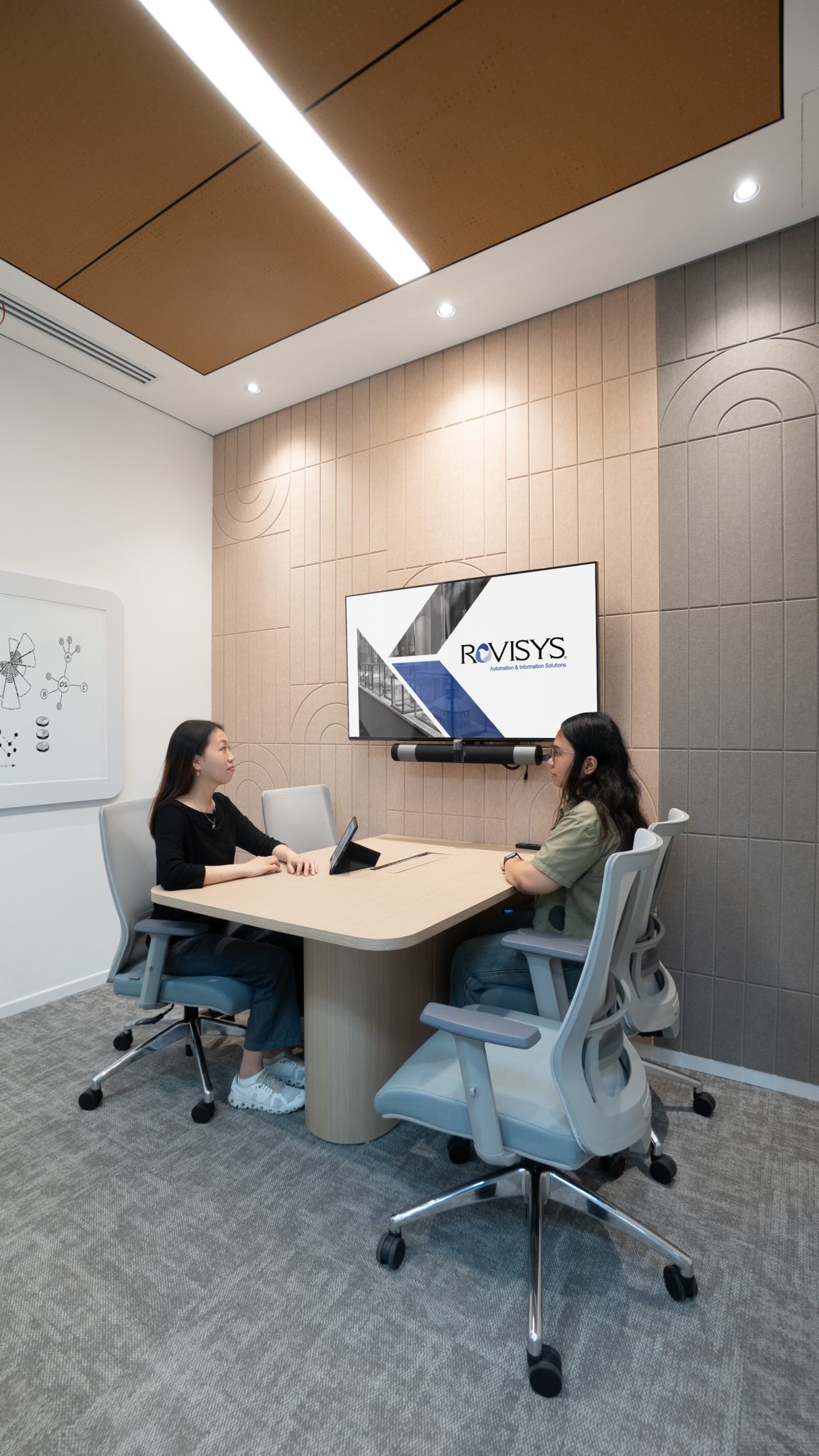
This translates into varied spatial typologies within single offices. Quiet zones with acoustic privacy support deep concentration. Collaborative neighborhoods feature flexible furniture allowing quick reconfiguration. Technology-enabled meeting spaces bridge physical and digital participants seamlessly.
Leading companies allocate approximately:
- 40% for collaborative spaces
- 35% for focused work areas
- 15% for social and wellness zones
- 10% for support functions (storage, printing, pantries)
These ratios adjust based on industry and work patterns, but the principle remains: one-size-fits-all cubicle farms are obsolete. The flexible workspace adapts to diverse work styles and tasks throughout the day.
Sustainable Office Design and ESG Integration
Sustainability has evolved from optional enhancement to mandatory requirement, driven by corporate ESG commitments and employee expectations. The best office design trends 2025 prioritize environmental responsibility without compromising aesthetics or functionality.
Material Selection
Forward-thinking commercial interior design specifies:
- Recycled and recyclable materials (recycled acoustic panels, reclaimed wood)
- Low-VOC (volatile organic compound) finishes improving air quality
- Locally-sourced materials reducing transportation carbon footprint
- Durable, long-lifecycle products minimizing replacement frequency
Energy Efficiency
Smart office design integrates:
- LED lighting with occupancy sensors and daylight harvesting
- HVAC systems with zone control and demand-based ventilation
- High-performance glazing reducing heat gain while maximizing natural light
- Energy monitoring systems providing real-time consumption visibility
Certifications
LEED, WELL Building Standard, and Green Mark certifications verify sustainable design claims. These frameworks also guide healthier indoor environments benefiting employee wellbeing and productivity.
Biophilic Office Design: Bringing Nature Indoors
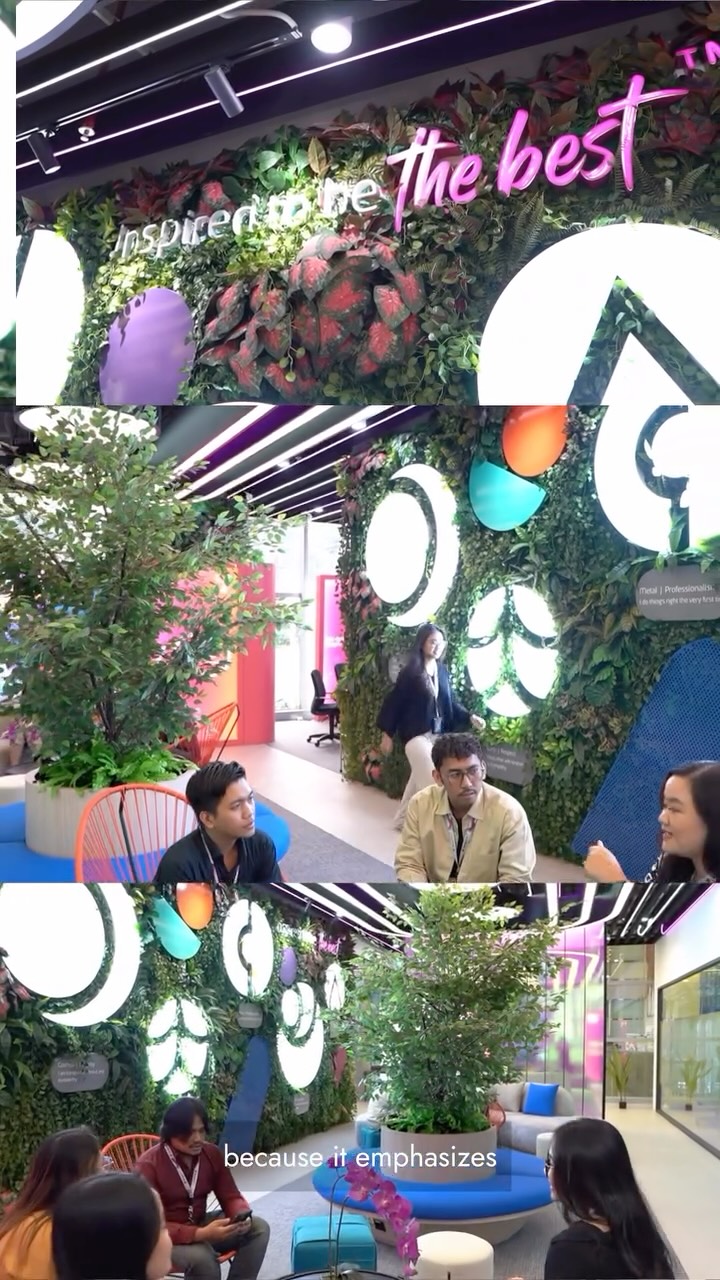
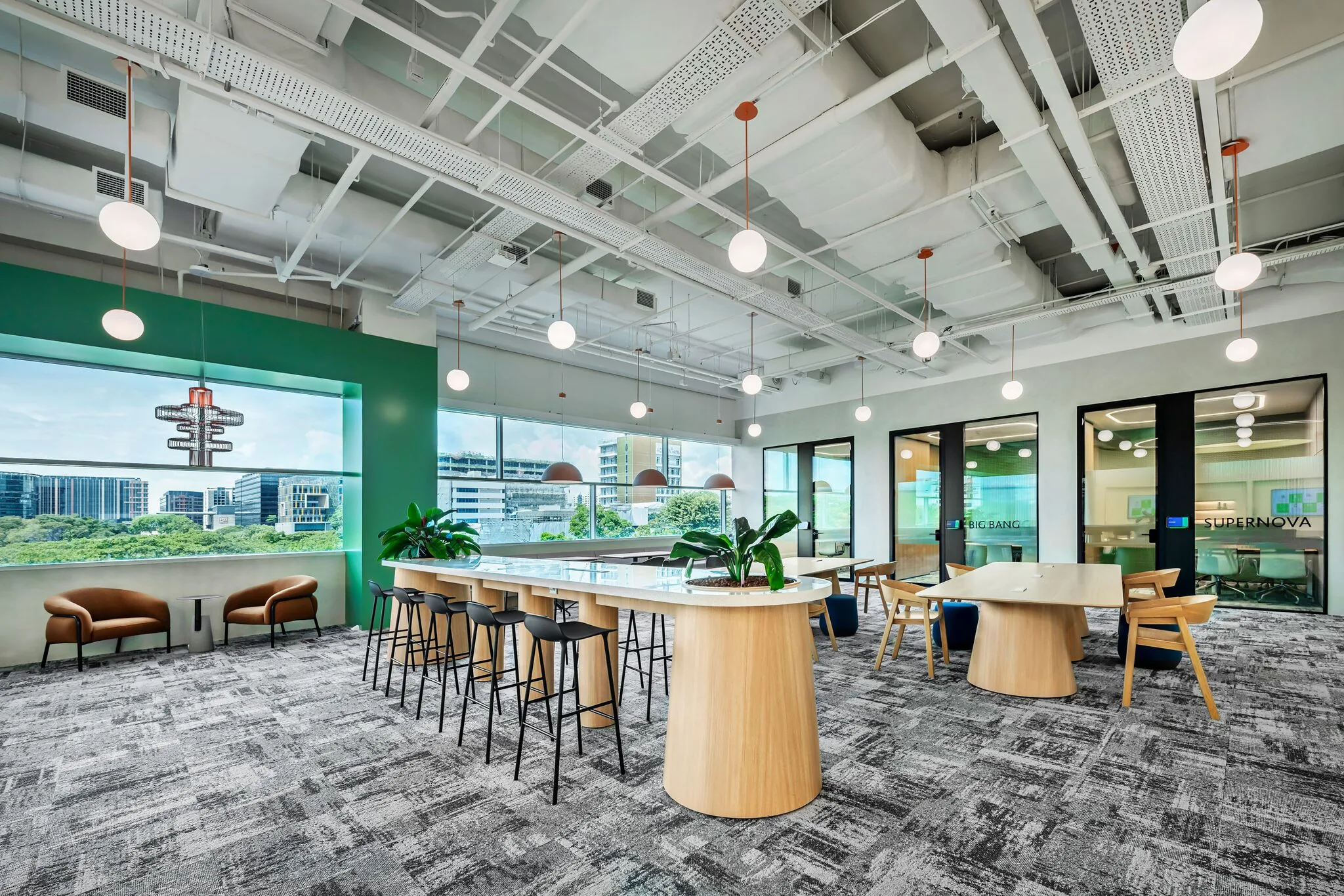
Biophilic office design—integrating natural elements into built environments—has gained significant traction as research confirms its impact on stress reduction, creativity, and cognitive function. This trend extends beyond placing plants in corners to fundamental design approaches.
Direct Nature Connection
- Living walls and extensive indoor plantings
- Natural materials like wood, stone, and natural fibers
- Water features creating calming ambient sounds
- Maximized natural light and outdoor views
Indirect Nature Connection
- Nature-inspired patterns and textures in finishes
- Organic shapes in furniture and architectural elements
- Natural color palettes (earth tones, greens, blues)
- Artwork depicting natural scenes and landscapes
Studies show biophilic office design can increase productivity by 8%, reduce absenteeism by 13%, and improve employee wellbeing scores by 15%. These metrics justify the investment for forward-thinking organizations.
Smart Office Technology Integration
The best modern office design seamlessly integrates technology that enhances experience without dominating aesthetics. Smart office design in 2025 focuses on invisible technology creating friction-free environments.
Workspace Management
- Desk booking systems ending the hunt for available workstations
- Room occupancy sensors optimizing space utilization
- Environmental controls (lighting, temperature) via mobile apps
- Wayfinding displays helping navigation in large facilities
Collaboration Technology
- Wireless presentation systems eliminating cable clutter
- High-quality video conferencing for hybrid meetings
- Interactive displays enabling digital collaboration
- Automated room booking integrated with calendar systems
Wellness Technology
- Air quality monitoring with real-time dashboards
- Circadian lighting systems supporting natural rhythms
- Sound masking creating acoustic comfort in open plans
- Contactless entry and controls for hygiene
The key is technology that serves human needs rather than requiring humans to adapt to technology.
Flexible and Adaptable Layouts
The collaborative workspace trend emphasizes flexibility at multiple scales. Future-proof workspace design anticipates change rather than resisting it.
Furniture Flexibility
Modular furniture systems reconfigure easily. Height-adjustable desks accommodate different postures. Mobile whiteboards and partitions allow teams to temporarily define spaces. The investment in flexible furniture pays dividends when reorganization needs arise.
Architectural Flexibility
Raised flooring systems simplify power and data reconfiguration. Demountable partition systems allow space replanning without construction waste. Adaptable lighting on track systems adjusts to layout changes.
Multi-Purpose Spaces
Training rooms convert to event spaces. Collaboration areas become quiet zones after hours. Cafeterias host town halls and social gatherings. Maximizing space utility reduces overall footprint requirements.
Wellness-Centric Design Philosophy
Ergonomic office design extends beyond chairs and desks to comprehensive wellness strategies. The best office design trends 2025 recognize that healthy employees are more productive, engaged, and loyal.
Movement Encouragement
- Centrally-located, attractive stairs promoting walking over elevators
- Standing-height collaboration areas
- Walking paths and activity-based working encouraging position changes
- Fitness facilities and wellness rooms
Mental Wellbeing
- Quiet rooms for meditation or stress relief
- Biophilic elements reducing anxiety
- Variety in spatial experiences preventing monotony
- Natural materials creating warmth and comfort
Social Connection
Cafes, lounges, and game areas facilitate informal interaction. These unstructured encounters build relationships, spark innovation, and strengthen culture. The best modern office design balances focused productivity with social connection.
Conclusion: Designing for Tomorrow's Workplace
The best office design trends 2025 share common threads: flexibility, sustainability, technology integration, and human-centeredness. These aren't fleeting fads but fundamental shifts responding to how work evolves.
Implementing these trends requires strategic thinking beyond aesthetics. Successful workspace design aligns physical environment with business strategy, culture, and future vision. The investment in thoughtful, trend-aware office design yields returns through enhanced productivity, improved recruitment and retention, and workspace that adapts as needs change.
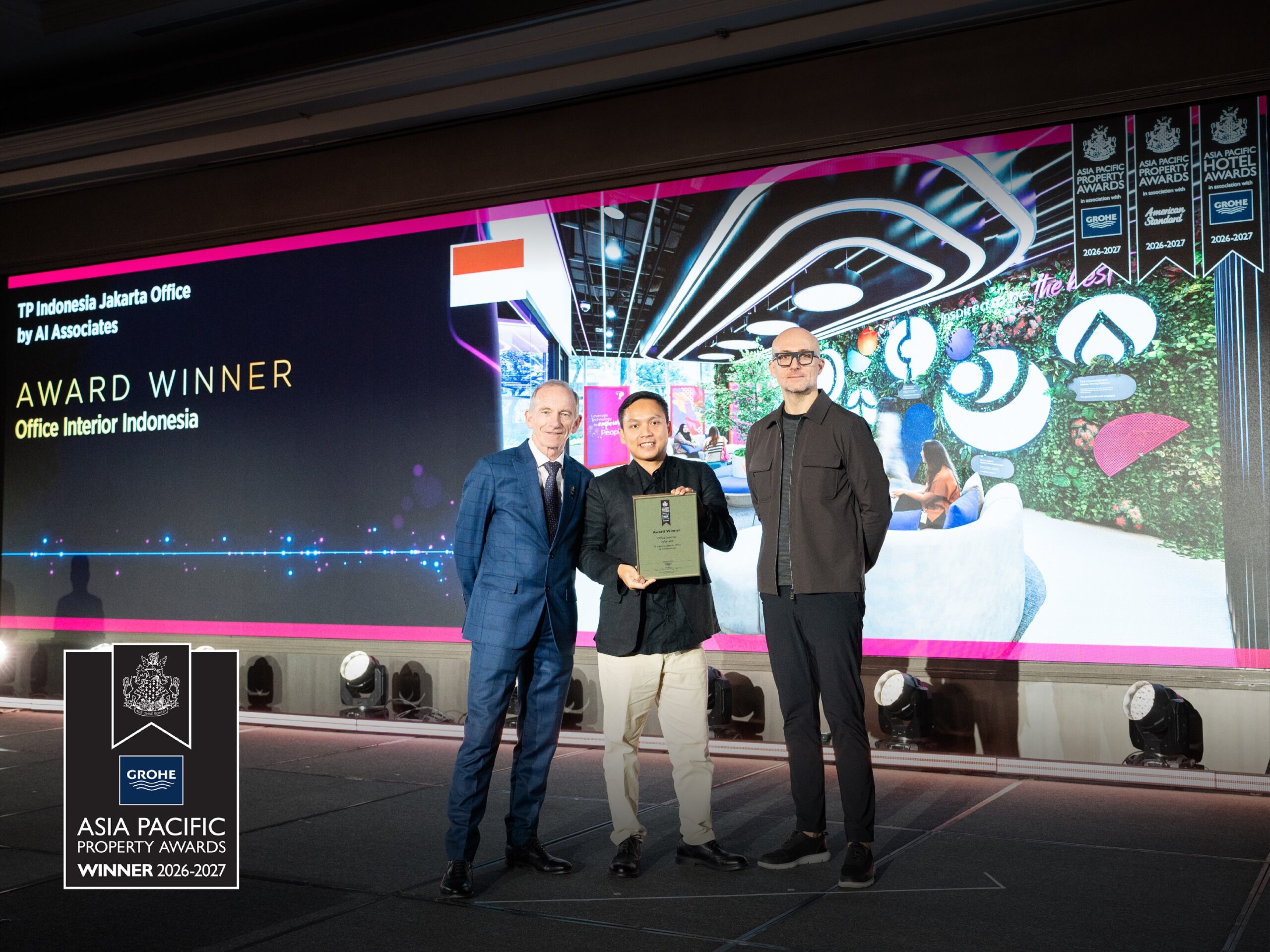
Planning your 2025 office transformation? AI Associates specializes in modern office design integrating these trends into functional, inspiring workspaces. Our award-winning projects across Asia demonstrate how strategic design creates competitive advantage. Contact us to discuss how these trends can elevate your workspace.