
Quick answer
What is commercial interior design?
Commercial interior design is the specialized discipline of creating functional, attractive, and strategic business environments across offices, retail, hospitality, healthcare, and educational facilities. It serves business goals, complies with strict codes, accommodates intensive use, and integrates complex technical systems beyond residential design.
Key Takeaways
- 01Commercial interior design differs from residential work in scale, stricter codes, intensive use, and multiple stakeholders.
- 02The professional design process spans seven phases from discovery and programming through post-occupancy evaluation.
- 03AI Associates has delivered over 500 commercial projects across Asia over 23 years for Fortune 500 and emerging businesses.
Introduction
Commercial interior design encompasses the specialized discipline of creating functional, attractive, and strategic business environments across diverse sectors including offices, retail, hospitality, healthcare, and educational facilities. Across Singapore, Malaysia, and Indonesia's dynamic business landscapes, commercial interior design drives brand expression, operational efficiency, customer experience, and competitive advantage. This comprehensive guide explores commercial interior design principles, processes, and best practices, helping businesses make informed decisions when investing in workspace improvements that deliver measurable value.Understanding Commercial Interior Design
Commercial interior design differs fundamentally from residential design in scale, complexity, and objectives. Commercial projects serve business goals beyond personal preference, comply with stricter building codes and regulations, accommodate higher traffic and more intensive use, integrate complex technical systems, require specialized knowledge across various sectors, and involve multiple stakeholders in decision-making. Professional commercial interior designers combine creative vision with technical expertise and project management capabilities, delivering spaces that work beautifully while meeting all functional and regulatory requirements.Types of Commercial Interior Design
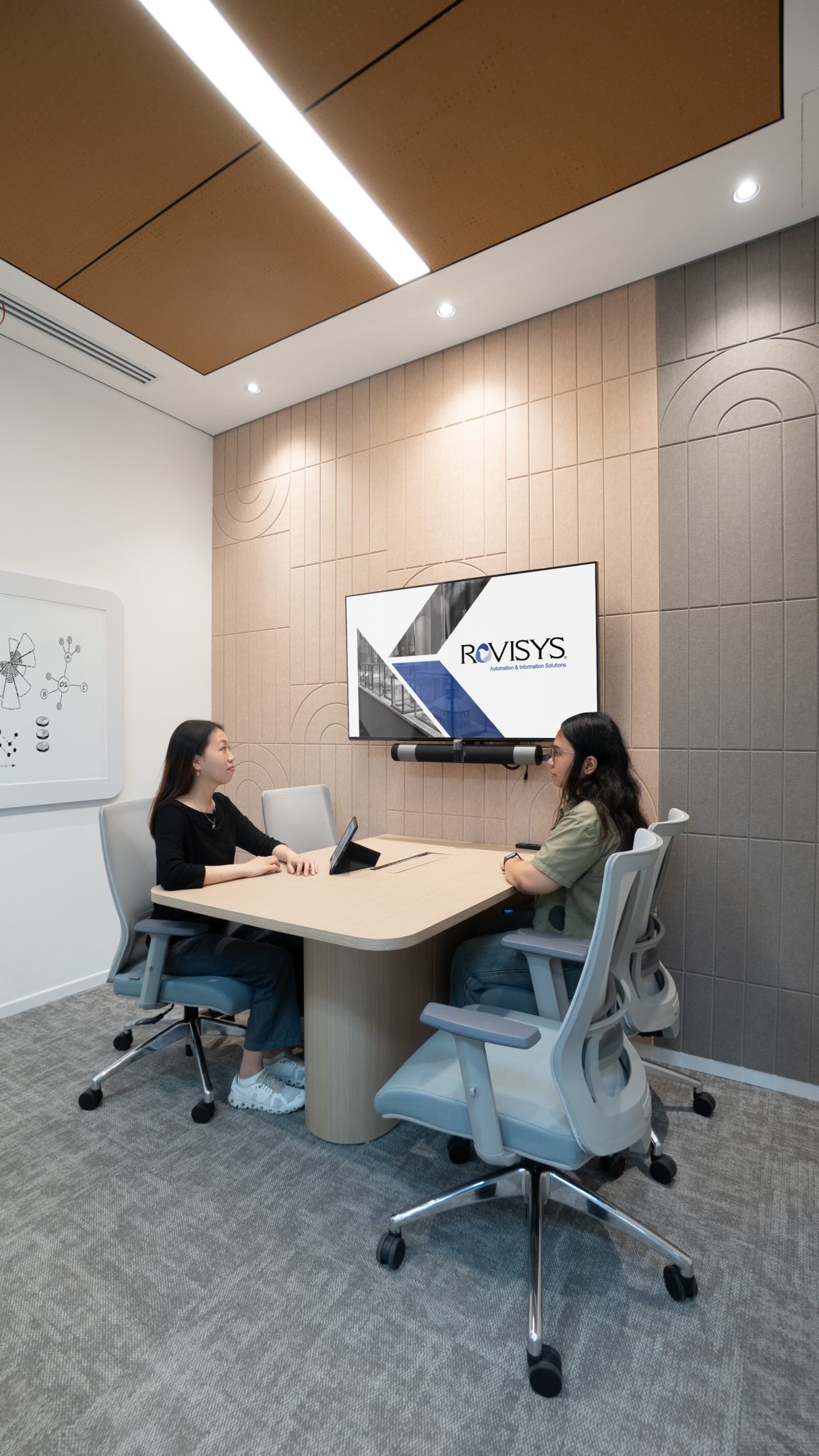
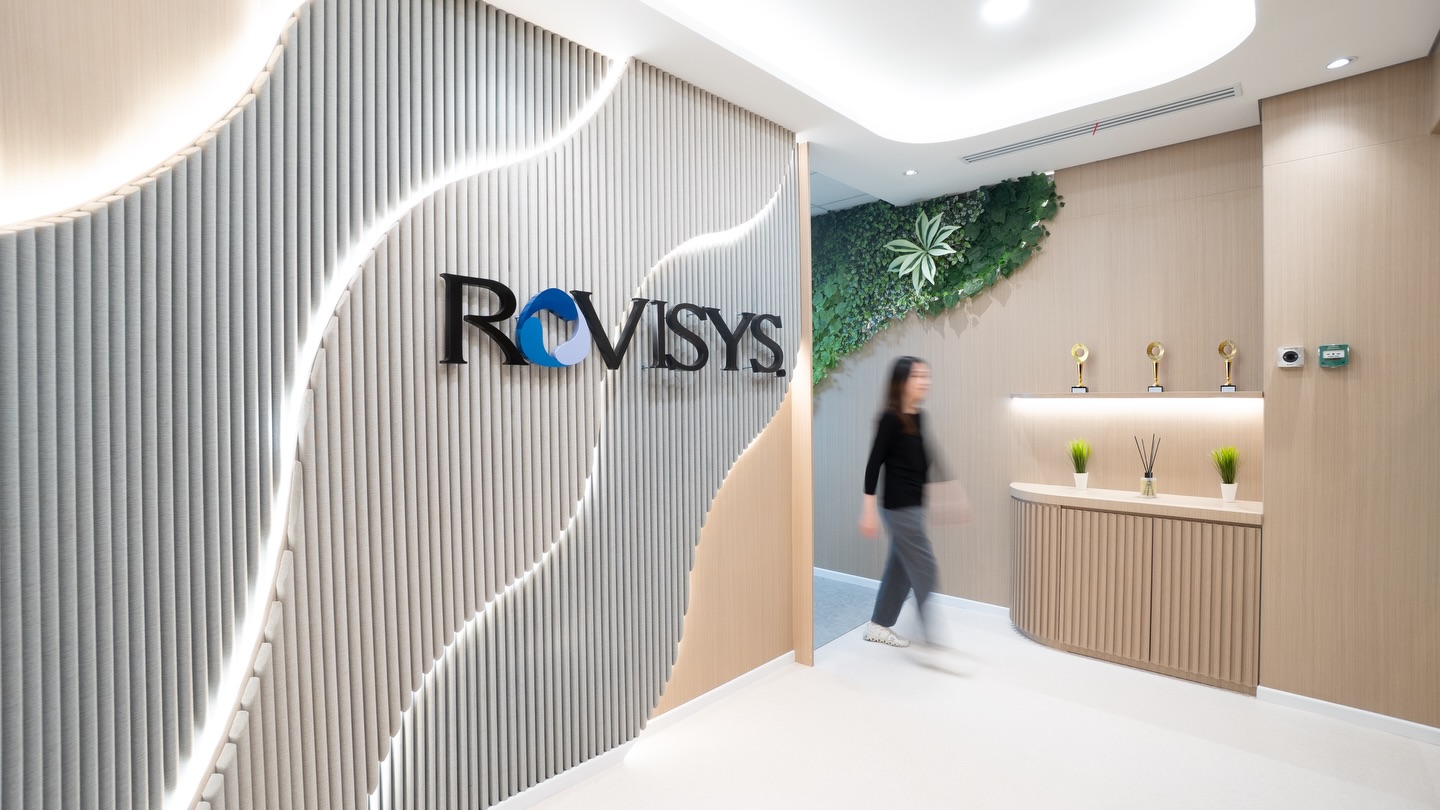
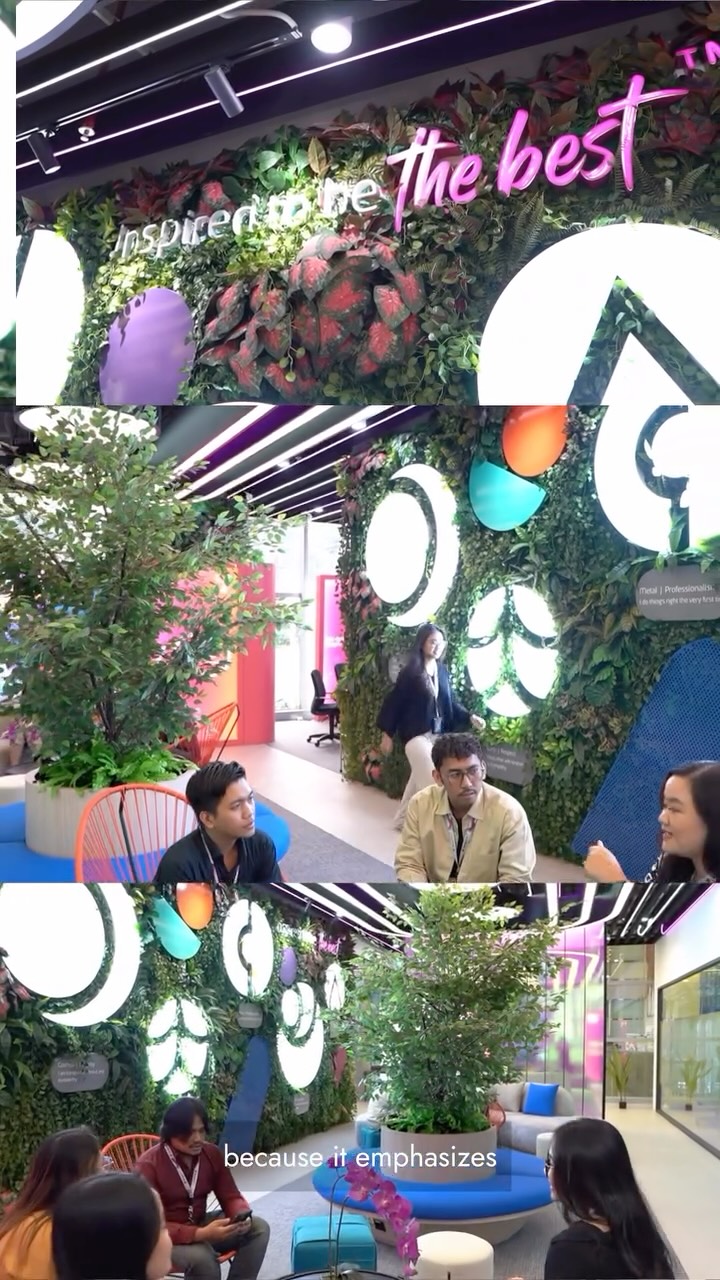
Office and Corporate Interior Design Office design represents the largest commercial interior design segment, encompassing corporate headquarters, regional offices, coworking spaces, and business centers. Office interior design focuses on productivity optimization, collaboration support, brand expression, employee attraction and retention, and flexibility for future changes. From traditional corporate environments to innovative tech company offices, diverse approaches serve different organizational cultures and operational requirements. Retail Interior Design Retail spaces require specialized design expertise creating environments that attract customers, showcase products, facilitate purchases, reinforce brand identity, and maximize sales per square foot. Retail interior design balances aesthetics with functionality including traffic flow optimization, product display strategies, point-of-sale positioning, lighting enhancing products, and creating memorable shopping experiences. Hospitality Interior Design Hotels, restaurants, bars, and entertainment venues demand exceptional design creating memorable experiences that encourage return visits and positive reviews. Hospitality interior design emphasizes ambiance and emotional impact, guest comfort and convenience, operational efficiency for staff, durability under intensive use, and distinctive character differentiating from competitors. This sector allows significant creative expression while requiring deep understanding of operational workflows and guest psychology. Healthcare Interior Design Medical clinics, hospitals, and wellness facilities require specialized design knowledge addressing patient wellbeing and healing, infection control and sanitation, privacy and confidentiality, accessibility for varied abilities, and regulatory compliance with healthcare codes. Healthcare interior design increasingly incorporates evidence-based design principles proven to improve patient outcomes and satisfaction. Educational Facility Design Schools, training centers, and corporate learning facilities need environments supporting diverse learning modes, flexibility for different teaching methods, technology integration, safety and security, and inspiration and engagement. Educational interior design recognizes physical environment's profound impact on learning outcomes and student wellbeing.The Commercial Interior Design Process
- Discovery and Programming
- Concept Development
- Design Development
- Construction Documentation
- Bidding and Contractor Selection
- Construction Administration
- Post-Occupancy Evaluation