
Biophilic Office Design: Bringing Nature into Your Workplace

Biophilic Office Design Singapore — AI Associates

Quick answer

What is biophilic office design?

Biophilic office design integrates natural elements, patterns, and experiences into workplace environments to reconnect people with nature. It uses direct experiences like plants, water, and natural light, indirect experiences like natural materials and colors, and symbolic references through artwork and forms.

Key Takeaways

  • Biophilic design uses direct, indirect, and symbolic nature experiences to reconnect workers with natural elements indoors.
  • Research shows offices with strong biophilic elements see productivity increases of 8 to 15 percent.
  • Tropical Southeast Asian climates offer abundant light and vegetation but require careful humidity and air-conditioning planning.

Introduction

Biophilic office design represents a revolutionary approach to workplace environments that reconnects people with nature within built spaces. As businesses across Singapore, Malaysia, and Indonesia recognize the profound impact of workspace design on employee wellbeing and productivity, biophilic principles have emerged as a powerful strategy for creating healthier, more inspiring offices. This comprehensive guide explores how biophilic office design integrates natural elements, patterns, and experiences into corporate environments, delivering measurable benefits for both employees and business performance.

Understanding Biophilic Design Principles

Biophilia refers to humanity's innate connection to nature and natural systems. Biophilic office design translates this connection into architectural and interior design strategies that incorporate direct, indirect, and symbolic nature experiences. Direct nature experiences include actual plants, water features, natural light, and fresh air. Indirect experiences encompass natural materials, nature imagery, colors inspired by natural landscapes, and biomimicry in patterns and forms. Symbolic experiences reference nature through artwork, metaphors, and cultural connections to natural elements. Research consistently demonstrates that biophilic environments reduce stress, enhance cognitive function, improve air quality, boost creativity, and increase overall wellbeing—all critical factors for high-performing workplaces.

Core Elements of Biophilic Office Design

  1. Living Plants and Green Walls
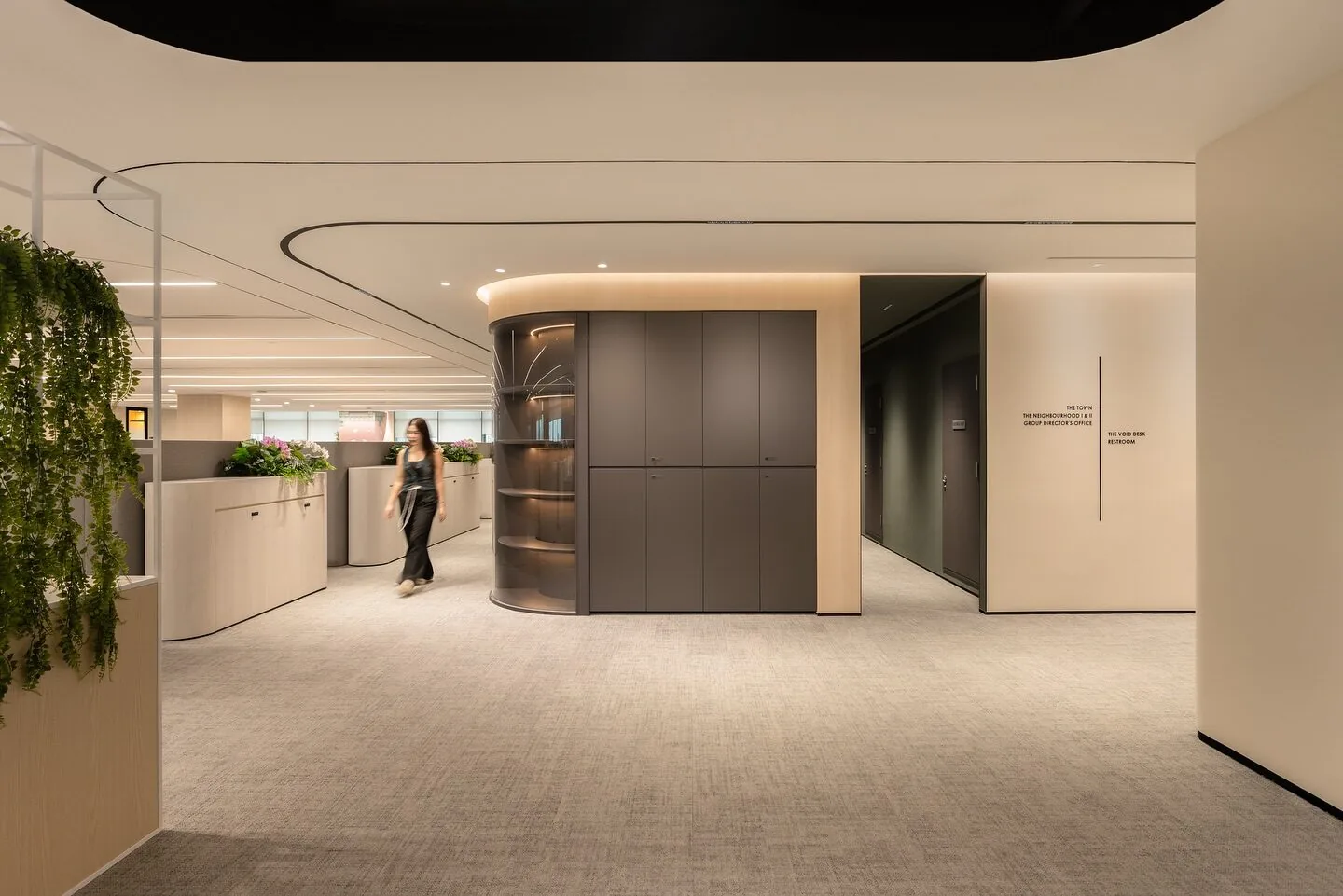
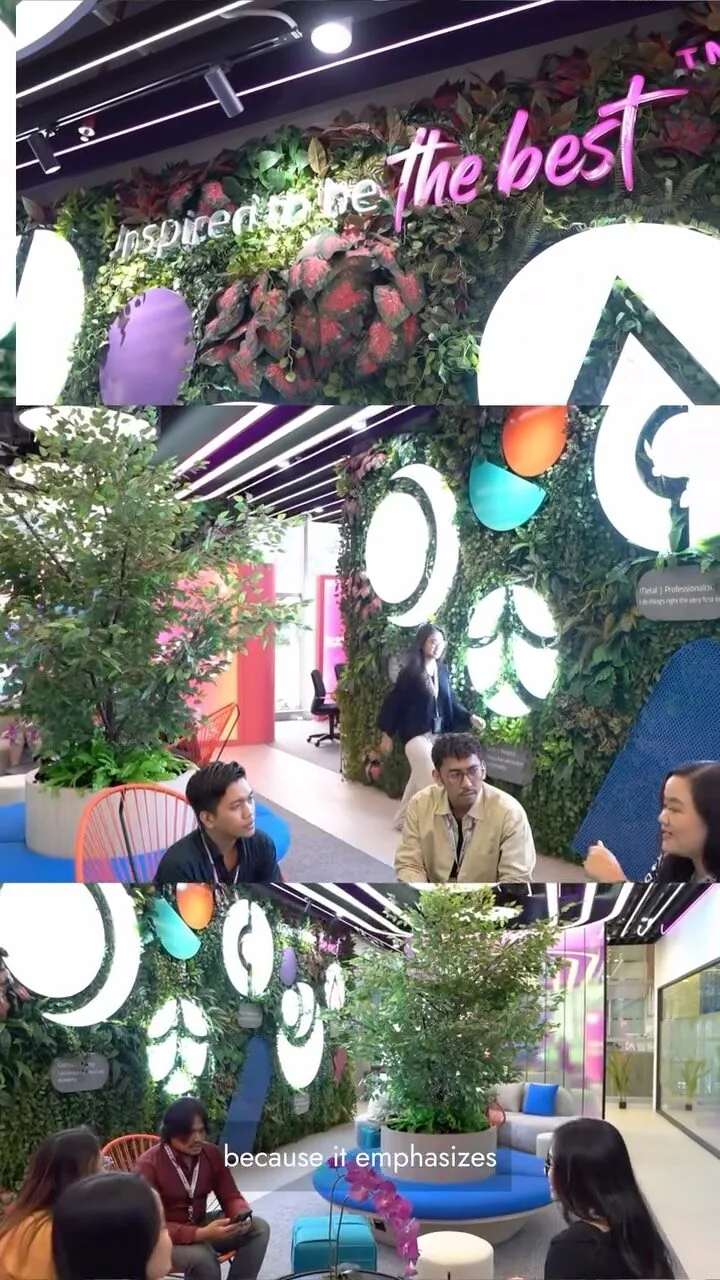
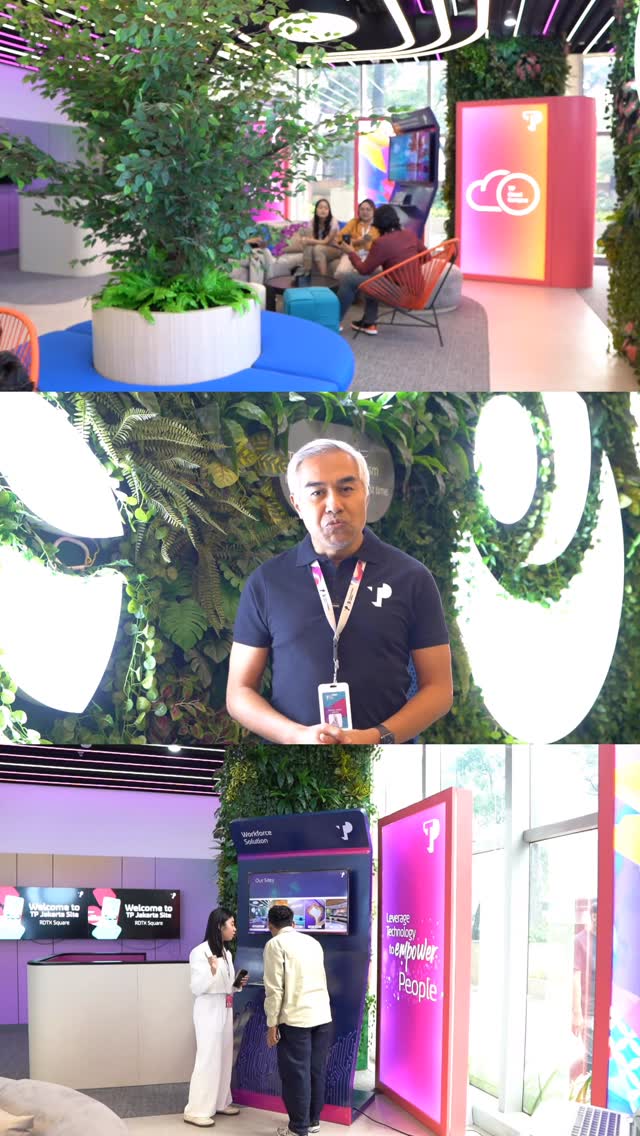
Incorporating living plants is the most direct biophilic strategy. From desktop planters to statement green walls, vegetation improves air quality, reduces noise, and creates visual connection to nature. Strategic plant placement considers maintenance requirements, light conditions, and aesthetic impact. Green walls or vertical gardens make dramatic statements while maximizing biophilic impact in space-constrained environments. Modern irrigation systems and plant selection expertise ensure sustainability without excessive maintenance burdens.
  1. Natural Light Optimization
Maximizing natural daylight is fundamental to biophilic design. This involves workspace layouts that prioritize window access, glass partitions that distribute light deeper into floorplates, and light shelves or reflective surfaces that enhance daylight penetration. Where natural light is limited, circadian lighting systems that mimic natural light patterns throughout the day help maintain healthy biological rhythms, improving sleep quality and daytime alertness.
  1. Natural Materials and Textures
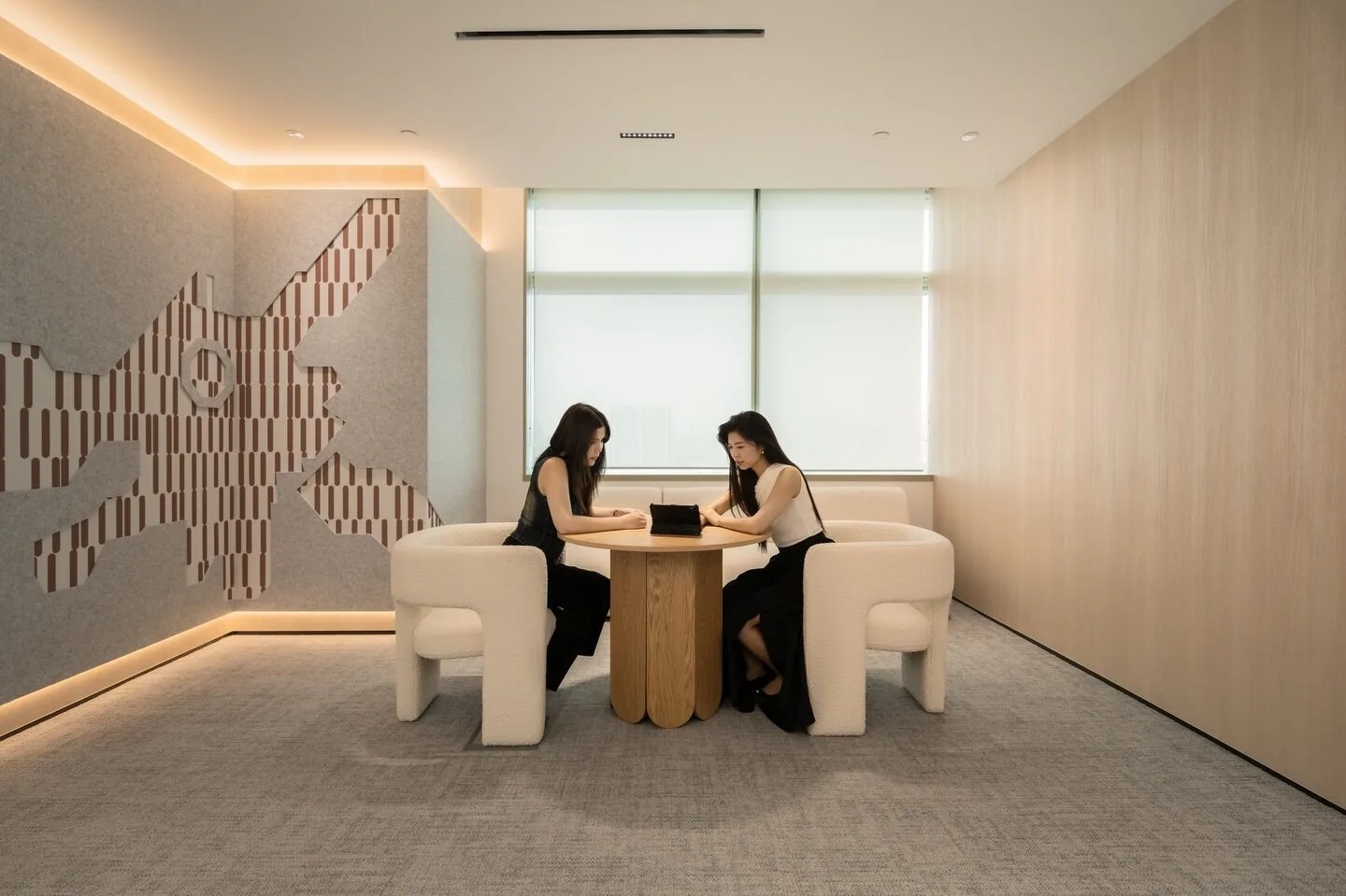
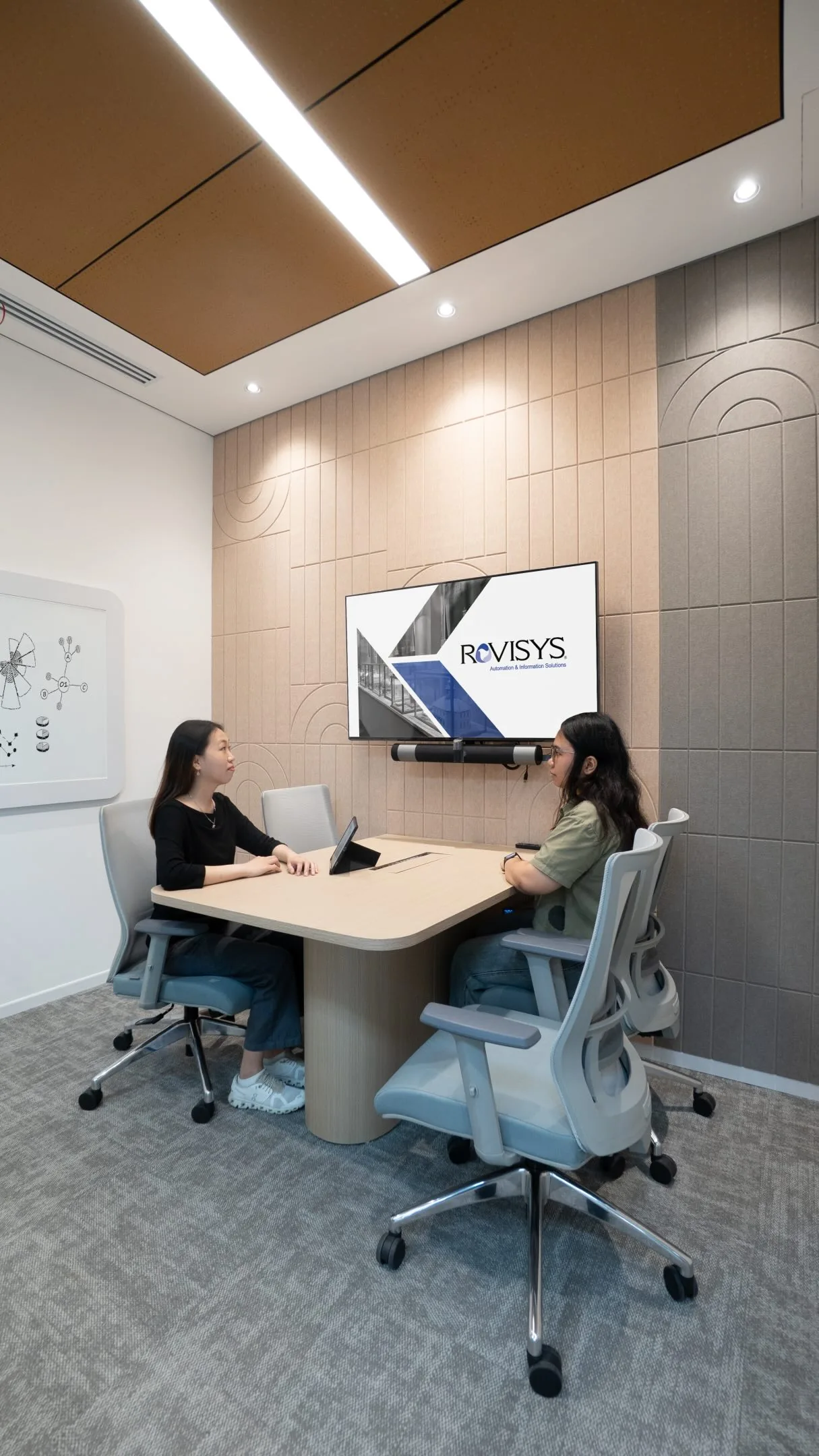
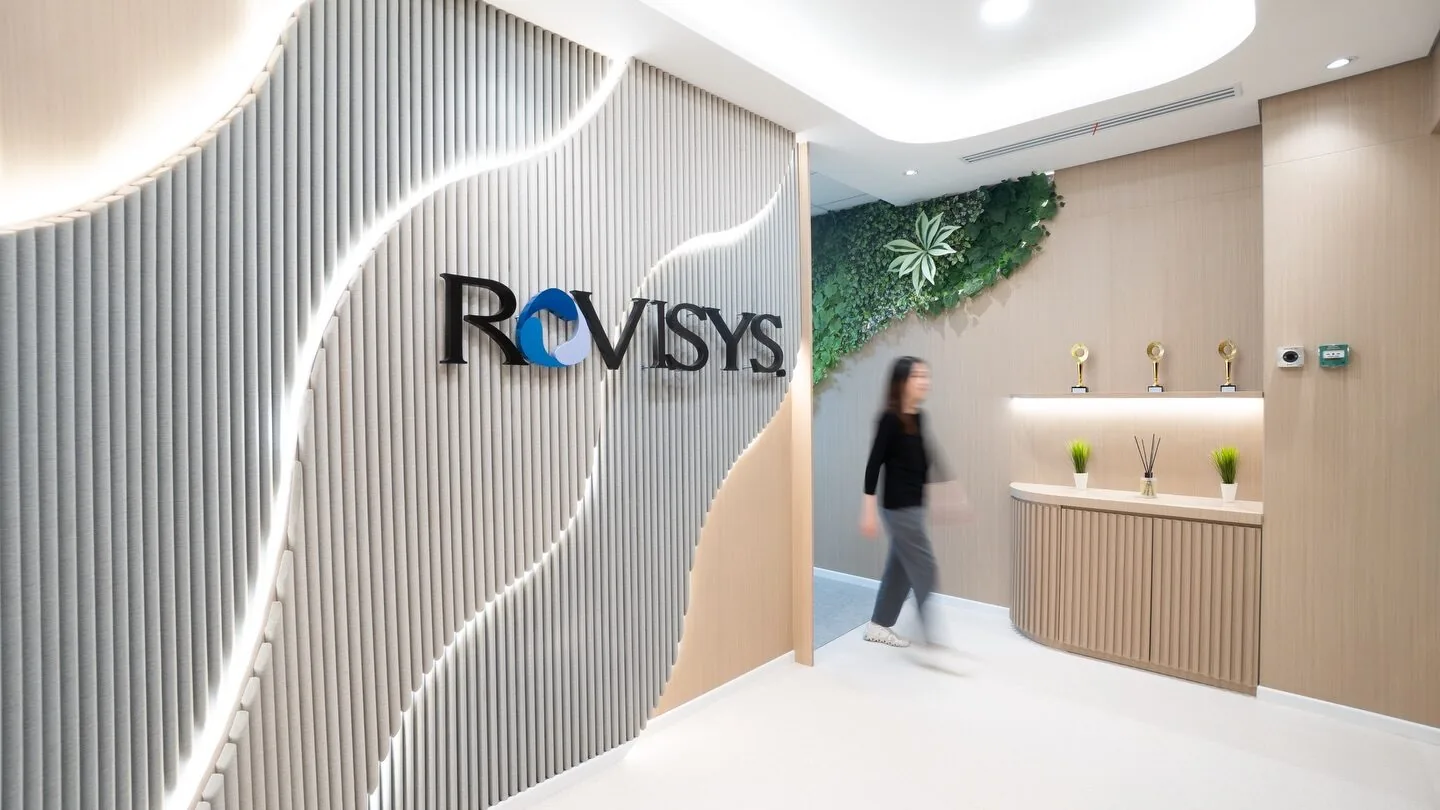
Wood, stone, bamboo, cork, and other natural materials create tactile and visual connections to nature. Exposed timber ceilings, stone feature walls, wooden flooring, and natural fiber textiles bring organic warmth and authenticity to office environments. Material selection should balance aesthetic goals with practical considerations including durability, maintenance, and sustainability certifications. Locally sourced materials reduce environmental impact while supporting regional craftsmanship.
  1. Water Features and Aquatic Elements
The sight and sound of water trigger deep psychological responses, promoting relaxation and focus. Office water features range from subtle desk fountains to dramatic lobby installations. Even water imagery or blue color schemes can evoke calming aquatic associations. Practical water features require proper engineering for acoustics, maintenance accessibility, and humidity control, particularly in air-conditioned tropical climates common across Southeast Asia.
  1. Nature Views and Visual Connections
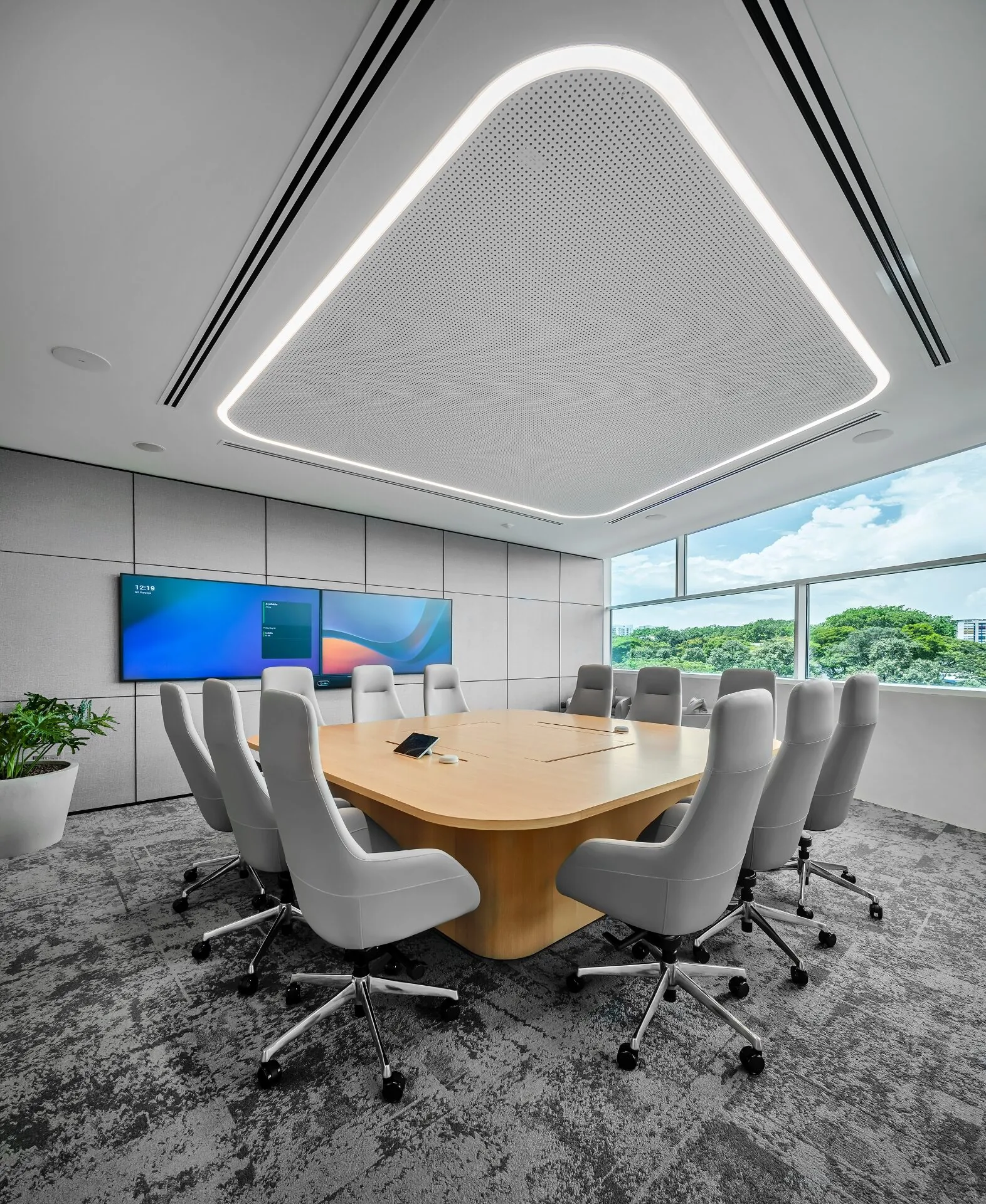
Views of natural landscapes, gardens, or even tree-lined streets provide psychological restoration. Workspace design should optimize sightlines to exterior nature, using strategic furniture placement and transparent barriers that don't obstruct views. In urban high-rise environments where external nature views are limited, interior atriums, courtyards, or roof gardens create accessible nature experiences. Even framed nature photography or biophilic artwork can provide benefits when actual views aren't available.
  1. Natural Patterns and Organic Forms
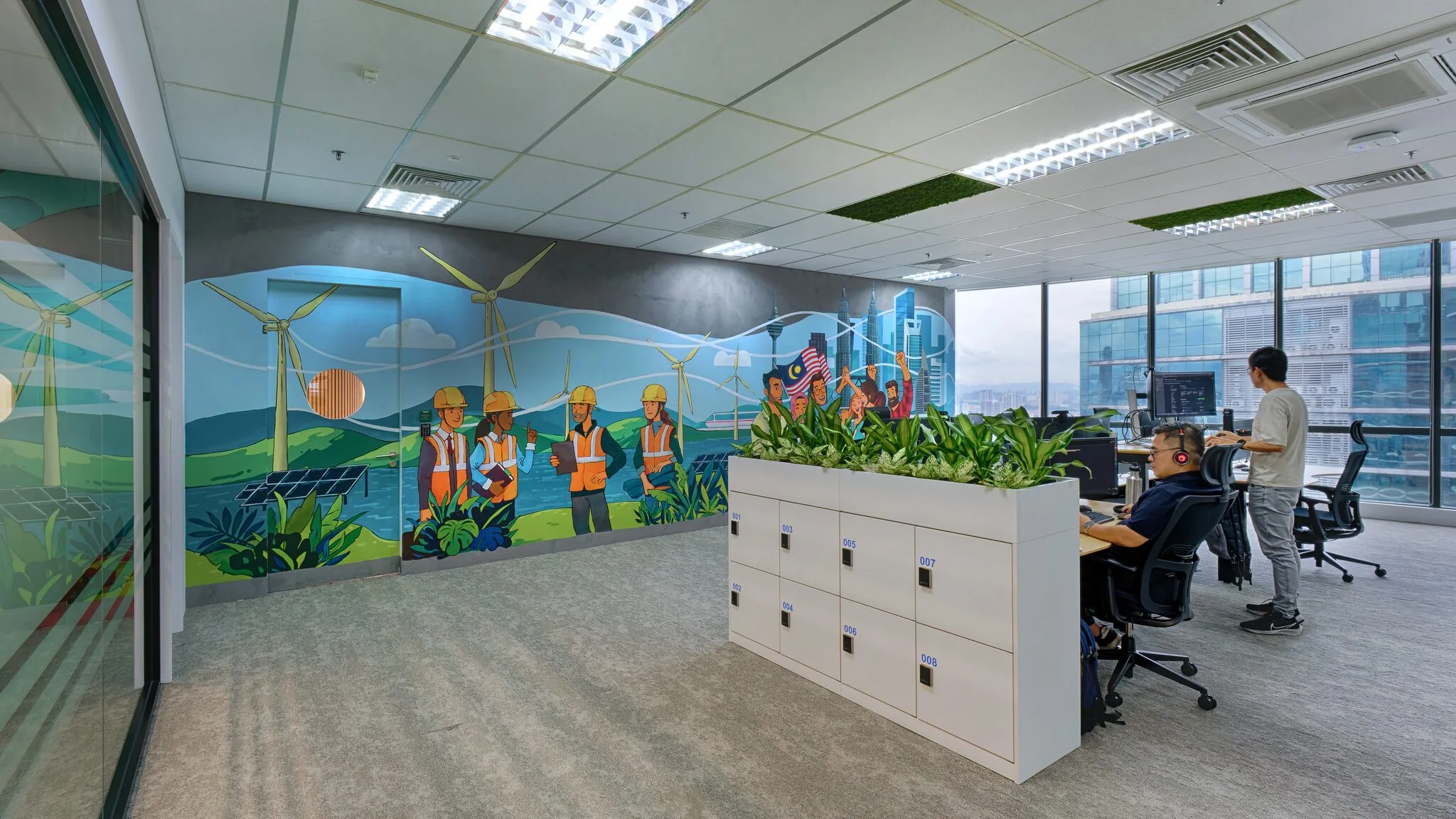
Biomimicry incorporates patterns, forms, and processes observed in nature. This might include fractal patterns in flooring or wall designs, organic curves instead of rigid geometries, or structural elements inspired by natural forms like tree branches or honeycomb structures. These subtle references to nature engage our innate pattern recognition abilities, creating environments that feel instinctively comfortable and engaging.

Benefits of Biophilic Office Design

Enhanced Employee Wellbeing Studies show biophilic environments reduce stress hormones, lower blood pressure, and improve overall psychological wellbeing. Employees in nature-connected offices report higher job satisfaction, reduced fatigue, and better work-life balance perception. Improved Productivity and Creativity Research demonstrates productivity increases of 8-15% in offices with strong biophilic elements. Natural light, plants, and nature views enhance concentration, reduce cognitive fatigue, and support creative thinking—critical capabilities in knowledge-based industries. Talent Attraction and Retention In competitive labor markets across Asia, workplace quality significantly influences recruitment and retention. Biophilic offices signal employer commitment to employee wellbeing, differentiating companies in talent competition. Sustainability and Environmental Responsibility Biophilic design aligns naturally with sustainability goals. Natural ventilation, daylighting, and plant-based air purification reduce energy consumption. Using sustainable materials and emphasizing nature connection reinforces corporate environmental values.

Implementing Biophilic Design in Different Office Types

Open Plan Offices Large open-plan spaces benefit enormously from biophilic interventions that break up visual monotony and create diverse micro-environments. Strategic plant placement defines zones, living walls become focal features, and natural light strategies counteract the potential sterility of expansive floors. Private Offices and Meeting Rooms Even individual offices and meeting rooms can incorporate biophilic principles through desktop plants, natural materials, nature artwork, and optimized window access. These interventions are particularly important for senior executives who spend extended periods in enclosed spaces. Collaborative and Breakout Spaces Biophilic design shines in collaborative areas where creativity and informal interaction are prioritized. Indoor gardens, natural seating materials, and organic forms create inviting environments that encourage spontaneous collaboration and mental restoration.

Regional Considerations for Biophilic Design in Asia

Tropical climates across Singapore, Malaysia, and Indonesia offer unique opportunities and challenges for biophilic design. Abundant natural light, lush vegetation, and cultural affinity for nature support biophilic strategies, but high humidity, air conditioning requirements, and dense urban environments require careful technical planning. Selecting plant species adapted to indoor tropical conditions, managing natural ventilation in coordination with air conditioning, and incorporating regional nature aesthetics ensure biophilic designs are both beautiful and practical.

Measuring Biophilic Design Success

The effectiveness of biophilic office design can be measured through employee surveys assessing wellbeing and satisfaction, productivity metrics and performance data, absenteeism and retention rates, and environmental performance including energy consumption and air quality. Leading organizations conduct pre- and post-occupancy evaluations to quantify biophilic design impacts, providing data that justifies investments and guides continuous improvement.

Working with Biophilic Design Specialists

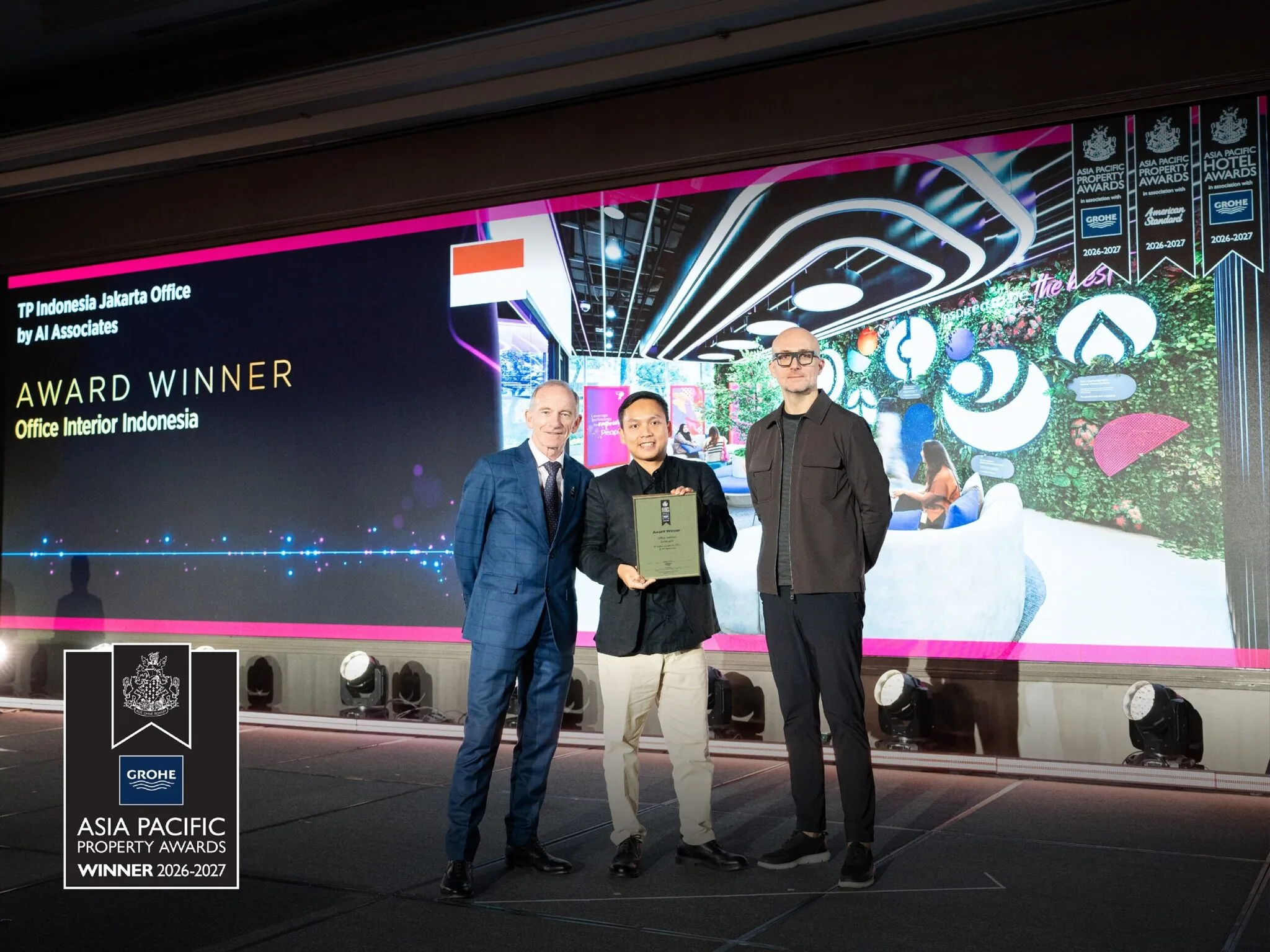
Successful biophilic office design requires specialized knowledge spanning biology, psychology, architecture, and engineering. Professional designers assess your space's biophilic potential, develop integrated strategies that balance aesthetics with functionality, select appropriate plant species and natural materials, engineer technical systems supporting living elements, and ensure long-term maintenance sustainability. AI Associates integrates biophilic principles throughout our workplace design projects across Asia. Our award-winning portfolio demonstrates how nature-inspired design creates healthier, more productive, and more inspiring work environments. We combine design excellence with practical implementation expertise, delivering biophilic offices that perform beautifully over years of use.

Conclusion

Biophilic office design represents a fundamental shift from viewing nature as separate from built environments to recognizing our deep psychological need for nature connection. By thoughtfully integrating natural elements, patterns, and experiences, businesses create workplaces that enhance employee wellbeing, boost productivity, support sustainability goals, and project values that resonate with today's workforce. Whether you're designing a new office or refreshing existing spaces, biophilic principles offer proven strategies for creating work environments that people love and where business thrives. Contact AI Associates to explore how biophilic office design can transform your workplace.

Frequently Asked Questions

What is biophilic office design?

Biophilic office design integrates natural elements, patterns, and experiences into workplace environments to reconnect people with nature. It uses direct experiences like plants, water, and natural light, indirect experiences like natural materials and colors, and symbolic references through artwork and forms.

What are the benefits of biophilic design in the workplace?

Biophilic design reduces stress hormones, lowers blood pressure, and improves wellbeing. Research demonstrates productivity increases of 8 to 15 percent, with enhanced concentration, reduced cognitive fatigue, and better creativity. It also aids talent attraction, retention, and corporate sustainability goals.

How do you add biophilic elements to an office?

Add biophilic elements through living plants and green walls, natural light optimization, natural materials like wood and stone, water features, nature views and visual connections, and organic patterns inspired by biomimicry. Strategic placement considers light, maintenance, and aesthetic impact.

Resources Related
Follow us on @ai.associates_

A closer look at our work, people, and design process.

Our officesSingapore/Kuala Lumpur/Jakarta
We design and build experiences.
At AI Associates, we turn ideas into thoughtful spaces, driven by strategy and experience. Get in touch with us to begin your design journey.
Singapore
A I Associates Pte Ltd

2 Sims Close #07-02 Gemini @ Sims Singapore. 387298.

T: +65 6659 7688

Malaysia
A.I. Architectural Interior Associates Sdn Bhd.

Unit No. 20-03, Level 20, Menara MBMR, No. 1, Jalan Syed Putra, Kuala Lumpur, 58000, Malaysia.

T: +60 3 2302 2900

Indonesia
PT. Architectural Interiors Indonesia

PIFT 19th floor unit 03, Jl. Lingkar Puri Dalam Blok T-8, Puri Indah, Jakarta Barat, Indonesia. 11610.

T: +6221 2258 5558

Cambodia
AI Associates (Cambodia) Co.,Ltd

No. 724 ECC Building 18th Floor, Norodom Blvd, Sangkat Tonle Basak, Khan Chamkamorn, Phnom Penh, Cambodia.

T: +855 23 230 763

Vietnam
AI Associates Vietnam Company Limited

617 & 617A National Road 13, Town 3, Hiep Binh Phuoc Ward, Thu Duc City, Ho Chi Minh City, Vietnam

China
A I Associates (Shanghai) Co., Ltd

Rm5213, 5th floor, No.656 Guilin Road, Xuhui district Shanghai, China